How I Navigated Postpartum Recovery Without Losing Myself
After giving birth, I felt like my body and mind were no longer mine. The exhaustion, emotional swings, and physical changes were overwhelming. I wanted to heal—not just survive. What I discovered wasn’t a miracle, but a practical, manageable way to reclaim my health. This is how I approached postpartum recovery with real steps, self-compassion, and smart health management that actually worked. It wasn’t about bouncing back or meeting anyone else’s expectations. It was about listening, adjusting, and moving forward with intention. Over time, I learned that true healing isn’t measured in weeks or clothing sizes—it’s found in moments of clarity, strength, and peace that slowly return when you care for yourself with consistency and kindness.
The Hidden Struggle of Postpartum Recovery
For many women, the days and weeks after childbirth are filled with joy—but also with unseen challenges that rarely make it into social media posts or casual conversations. Fatigue goes beyond tiredness; it’s a deep, bone-weary exhaustion that sleep alone can’t fix. Hormonal shifts after delivery can trigger mood swings, tearfulness, or moments of unexpected anxiety. These changes are normal, yet they often catch new mothers off guard. The reality is that no amount of preparation can fully predict how one will feel after giving birth. Many women describe a sense of disconnection—from their bodies, their routines, and even their identities. Who am I now? they quietly wonder, as they adjust to life with a newborn.
Physical recovery adds another layer of complexity. Whether the delivery was vaginal or by cesarean section, the body has undergone a significant event. Tissues need time to heal, muscles must regain strength, and internal systems recalibrate. Yet societal expectations often pressure women to “bounce back” quickly, as if pregnancy were a temporary state with no lasting impact. This misconception can lead to frustration or guilt when recovery doesn’t follow a linear path. Some women feel they should already be back to their pre-pregnancy weight or energy level within weeks. But healing is not a race, and comparing oneself to others only deepens the emotional burden.
What makes this struggle even more isolating is that many women hesitate to speak up. They fear being seen as ungrateful or weak. They worry that admitting they’re struggling might mean they’re failing at motherhood. But the truth is, acknowledging the difficulty is the first step toward real healing. Postpartum recovery is not just about physical repair—it’s about emotional reintegration, mental adjustment, and learning to care for oneself while caring for a new life. Recognizing this complexity allows women to approach recovery with more compassion and less self-judgment.
Why Postpartum Health Management Matters More Than You Think
Postpartum health management is often misunderstood as simply returning to a former body or routine. But its importance runs much deeper. How a woman recovers in the months after childbirth can influence her long-term well-being in profound ways. Proper recovery supports the restoration of energy, strengthens emotional resilience, and helps rebuild physical function in a sustainable way. These benefits extend far beyond the immediate postpartum period—they lay the foundation for years of health and vitality. When recovery is rushed or neglected, the consequences can include chronic fatigue, pelvic floor dysfunction, or prolonged mood disturbances. These are not inevitable; they are often preventable with mindful care.
One of the most overlooked aspects of postpartum health is the role of foundational habits. The choices made in the early weeks—how much rest is allowed, what kinds of foods are eaten, whether movement is introduced gently—shape the body’s ability to heal. For example, consistent hydration and balanced nutrition support tissue repair and milk production for nursing mothers. Adequate rest helps regulate stress hormones like cortisol, which can otherwise remain elevated and contribute to anxiety or sleep disruption. These small, daily decisions accumulate into long-term outcomes. Women who prioritize their recovery often report not only faster physical healing but also greater emotional stability and confidence in their new role.
Another reason postpartum health matters so much is that it sets a precedent for self-care in the years ahead. Motherhood demands constant giving, and without intentional boundaries, it’s easy to fall into a pattern of putting everyone else first. But when a woman learns to honor her own needs during recovery, she establishes a crucial precedent: her well-being matters. This mindset becomes a protective factor against burnout later on. It also models healthy behavior for children, who learn by watching how their parents treat themselves. In this way, postpartum recovery isn’t just about healing from childbirth—it’s about building a healthier relationship with oneself that can last a lifetime.
My First Step: Learning to Listen to My Body
One of the most transformative moments in my recovery came when I finally stopped pushing through exhaustion and started paying attention to what my body was telling me. At first, I saw rest as laziness—as if lying down meant I wasn’t doing enough. I believed that being a good mother meant being constantly active, available, and productive. But the truth was, my body was sending clear signals: persistent fatigue, soreness that lingered longer than expected, dizziness when standing too quickly, and a general sense of being overwhelmed. These weren’t signs of weakness—they were messages. My body was asking for time, space, and care. Once I reframed rest as a necessary part of healing rather than a luxury, everything began to shift.
Listening to my body meant slowing down and noticing subtle cues. For instance, I learned that if I felt shaky after feeding the baby, it was time to eat, not push through. If my lower back ached after standing for a short time, it was a sign to sit or lie down. I started checking in with myself several times a day: How am I feeling right now? Am I holding tension in my shoulders? Do I need water, food, or a few minutes of stillness? These small pauses helped me tune in rather than tune out. Over time, I became more attuned to my physical and emotional state, which allowed me to respond with kindness instead of criticism.
Adjusting my expectations was equally important. I had to let go of the idea that I should be functioning at 100% within weeks of delivery. Instead, I focused on progress, not perfection. Some days, my biggest achievement was taking a shower and drinking enough water. And that was enough. I stopped measuring my worth by how much I accomplished and started valuing how well I was healing. By honoring my limits without guilt, I created space for genuine recovery. This shift didn’t happen overnight, but each time I chose rest over striving, I reinforced a new belief: caring for myself wasn’t selfish—it was essential.
Fueling Recovery the Right Way: Nutrition Made Simple
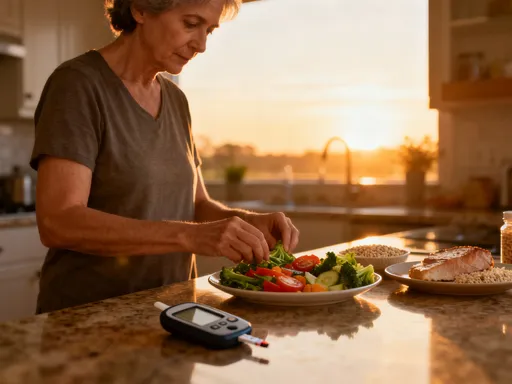
Nutrition played a critical role in my postpartum healing, but not in the way I initially thought. I didn’t need a strict diet or calorie counting—I needed consistent, nourishing food that supported my body’s repair processes. After childbirth, the body is in a state of recovery, especially if breastfeeding, which increases energy and nutrient needs. Protein is essential for tissue repair, helping to rebuild muscles and support wound healing. Fiber supports digestive health, which can be sluggish after delivery due to hormonal changes and reduced activity. Hydration is equally vital, as even mild dehydration can worsen fatigue and affect milk supply. Rather than chasing perfection, I focused on making simple, sustainable choices that added up over time.
I found that preparing meals in advance made a significant difference. Batch cooking on days when I had more energy allowed me to have healthy options ready during busier or more exhausting times. I’d make large pots of soups, stews, or grain bowls with beans, vegetables, and lean proteins. These meals were easy to reheat and required minimal effort when I was caring for the baby. I also kept healthy snacks within reach—nuts, yogurt, fruit, or whole grain crackers—so I could eat small amounts frequently without having to plan full meals. This approach prevented long gaps between eating, which helped stabilize my energy and mood.
One of the biggest changes I made was letting go of guilt around food. In the past, I’d sometimes label foods as “good” or “bad,” but during recovery, I adopted a more balanced mindset. I allowed myself to enjoy a piece of chocolate or a warm slice of bread without judgment. Restriction only increased stress, and stress slows healing. Instead, I aimed for variety and consistency. Most of my meals included a source of protein, a serving of vegetables, and a healthy carbohydrate. This balance kept me full, energized, and better equipped to handle the demands of new motherhood. Nutrition wasn’t about looking a certain way—it was about feeling strong enough to show up for my life.
Movement That Supports, Not Punishes
In the early weeks after giving birth, I had the misconception that exercise meant intense workouts—lifting weights, running, or fast-paced classes. But my body wasn’t ready for that, and jumping into vigorous activity could have caused harm. Instead, I learned that gentle movement is not only safer but often more effective in the postpartum phase. The goal wasn’t to burn calories or lose weight; it was to reconnect with my body, improve circulation, and support core and pelvic floor recovery. Walking became my foundation. Starting with just five or ten minutes around the house or down the block, I gradually increased my time as my energy allowed. The rhythm of walking helped clear my mind, improve my sleep, and gently rebuild stamina.
Another key aspect of movement was pelvic floor awareness. During pregnancy, these muscles stretch and weaken, and they need time and attention to regain strength. I began with simple exercises like gentle squeezes—lifting the pelvic floor muscles as if stopping the flow of urine—done while lying down or sitting. These exercises, often called Kegels, helped restore control and prevent issues like urinary leakage. I didn’t do them for long periods; even a few minutes a day made a difference. Breathing exercises also became part of my routine. Deep, diaphragmatic breathing helped relax my nervous system and engage my deep core muscles, which are essential for posture and stability.
Over time, I introduced other low-impact activities like postpartum-safe stretching or gentle yoga. These movements emphasized alignment, breath, and mindful motion rather than intensity. I avoided exercises that put pressure on the abdominal wall, like crunches or planks, until my healthcare provider confirmed I was ready. The shift in mindset—from pushing to supporting—was powerful. Movement became a form of self-care, not punishment. It helped me feel more connected to my body and more in control of my recovery journey. And as weeks passed, I noticed real improvements: less discomfort, better posture, and a growing sense of physical confidence.
Emotional Well-Being: The Missing Piece in Recovery
While physical recovery is often the main focus, emotional well-being is just as important—and sometimes even more challenging to address. After childbirth, many women experience mood changes, from mild “baby blues” to more persistent feelings of sadness or anxiety. These emotions are not a sign of failure or weakness; they are a natural response to massive hormonal shifts, sleep disruption, and the life-changing transition to motherhood. Yet they’re often minimized or ignored. I remember feeling guilty for crying over small things or feeling overwhelmed by tasks that used to feel simple. But when I learned that these reactions were common and temporary, I began to treat myself with more compassion.
One of the most helpful tools I discovered was connection. Talking to other mothers—whether in person or through online groups—helped me realize I wasn’t alone. Sharing experiences, fears, and small victories created a sense of belonging. I also found value in journaling. Writing down my thoughts, even briefly, helped me process emotions and gain clarity. Some days, I simply wrote three things I was grateful for, which gently shifted my focus toward positivity. Mindfulness practices, like taking a few deep breaths before responding to the baby’s cry or pausing to feel the sun on my face during a walk, helped ground me in the present moment.
Perhaps the most important step was learning to ask for help. I used to believe that needing support meant I wasn’t capable. But I’ve come to see that reaching out—whether to a partner, a friend, a family member, or a healthcare professional—is an act of strength. Talking to a counselor helped me navigate deeper emotional shifts, and having someone to listen without judgment made a profound difference. Emotional well-being isn’t about being happy all the time; it’s about allowing space for all feelings and knowing when to seek support. When emotional health is prioritized, the entire recovery process becomes more balanced and sustainable.
Building a Sustainable Routine: Small Wins Add Up
Recovery didn’t happen all at once. It grew from small, consistent choices made over time. I stopped waiting for a dramatic transformation and started celebrating tiny victories: drinking enough water, taking a short walk, eating a balanced meal, or simply resting when I needed to. These moments may seem minor, but together, they created momentum. I learned that consistency matters more than intensity. Doing a little each day—like five minutes of breathing or a 10-minute walk—was more effective than occasional bursts of effort followed by burnout. This approach reduced pressure and made self-care feel achievable, even on hard days.
I also became more flexible with my routine. Some days, plans changed, and that was okay. I stopped seeing a disrupted schedule as a failure and started viewing it as part of real life. Instead of aiming for perfection, I focused on progress. If I missed a walk, I didn’t abandon the whole day—I looked for another opportunity to move or rest. This mindset reduced guilt and made it easier to stay on track. I also began to recognize patterns: I had more energy in the morning, so I scheduled my movement then. I knew I needed snacks every few hours, so I kept them nearby. These small adjustments made healthy habits easier to maintain.
Over time, I noticed real changes. My energy improved. My mood stabilized. I began to feel more like myself—not the person I was before pregnancy, but someone new, stronger, and more resilient. The journey wasn’t linear, and there were setbacks, but each one taught me something. I learned to be patient, to listen, and to trust the process. Health management became less about following rules and more about tuning in and responding with care. And as I rebuilt my strength, I also rebuilt my confidence—not just in my body, but in my ability to navigate motherhood with balance and intention.
Conclusion: Healing Is a Journey, Not a Race
Looking back, I realize that postpartum recovery was never about returning to who I was before. It was about becoming who I am now—with greater depth, strength, and self-awareness. Healing isn’t a race to be won or a checklist to be completed. It’s a personal journey shaped by patience, compassion, and small, deliberate choices. Every woman’s path will look different, and that’s as it should be. What matters most is not speed, but sustainability. By honoring rest, nourishing the body, moving gently, and tending to emotional health, it’s possible to rebuild well-being in a way that lasts.
The quiet victories—waking up feeling rested, laughing without effort, taking a walk without pain—are the true markers of recovery. These moments don’t always make headlines, but they transform lives. With time and consistent care, the body heals, the mind clears, and a sense of self returns. Postpartum recovery is not something to rush through. It’s an opportunity to establish new rhythms, deepen self-trust, and create a foundation for long-term health. Every woman deserves the space, support, and permission to heal on her own terms. And in that space, she doesn’t lose herself—she finds herself again, renewed and whole.