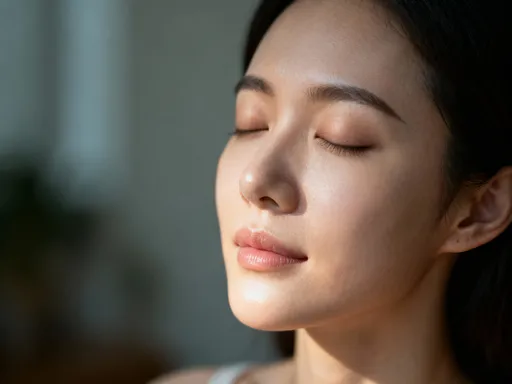
What If Your Skin Could Talk? I Listened, and Everything Changed
What if the secret to glowing skin isn’t in a bottle, but in how you live? I used to chase quick fixes—creams, serums, trending routines—until my skin rebelled. That’s when I realized: skincare isn’t just about what you put on your face. It’s about stress, sleep, hydration, and listening to your body. This is my journey from confusion to clarity, and how small, science-backed changes transformed not just my skin, but my health awareness. What began as a quest for a clearer complexion became a deeper understanding of how lifestyle shapes our physical well-being. The skin, as it turns out, is not just a surface—it’s a mirror.
The Wake-Up Call: When My Skin Said “Enough”
For years, I believed the promise of beauty marketing: that the right serum, the perfect cleanser, or the latest viral ingredient would finally deliver the radiant skin I’d always wanted. I rotated products like a scientist testing hypotheses—retinol here, niacinamide there, chemical exfoliants twice a week. Yet despite my diligence, my skin remained unpredictable. Breakouts flared up before important events. My complexion often looked dull, uneven, and tired—no matter how much highlighter I applied.
The emotional toll was heavier than I admitted at first. I began avoiding photos. I’d touch my face constantly, checking for new bumps or dry patches. Getting ready each morning turned into a ritual of criticism rather than care. I felt stuck in a cycle of trying, failing, and trying again—with no real answers. It wasn’t vanity; it was a growing sense of helplessness. I was doing everything “right,” yet nothing was working.
The turning point came after a particularly rough week. My skin was inflamed, sensitive, and covered in small, persistent pimples. Frustrated and nearly hopeless, I made an appointment with a dermatologist—not for another prescription cream, but for answers. Instead of focusing on my skincare shelf, she asked about my sleep, my diet, my stress levels. She wanted to know how much water I drank and whether I exercised. For the first time, someone was treating my skin not as an isolated issue, but as part of a larger system. That conversation changed everything.
Beyond Cleansers: Rethinking What “Skincare” Really Means
That dermatologist helped me see something fundamental: the skin is an organ, just like the heart or liver. It’s not a mask we paint over; it’s a living, breathing part of our body that responds to internal conditions. When we experience inflammation, hormonal shifts, or nutrient deficiencies, the skin often shows it first. Acne, redness, dryness, and premature aging are not just cosmetic concerns—they can be signals of imbalance within.
Traditional skincare routines often miss this connection. They treat symptoms—dryness with moisturizer, acne with spot treatments—without asking why those issues are occurring in the first place. It’s like mopping the floor while the faucet is still running. No amount of topical care can fully compensate for poor sleep, chronic stress, or a diet high in processed foods. Lasting skin health requires a broader view—one that includes daily habits, emotional well-being, and long-term lifestyle choices.
Shifting my mindset from “fixing” my skin to “supporting” it made all the difference. Instead of seeing skincare as a nightly ritual of products, I began to think of it as a daily practice of self-care. Hydration, rest, and stress management became just as important as the cleanser I used. I started to understand that glowing skin isn’t the result of a single miracle ingredient—it’s the outcome of consistent, holistic habits that nurture the body from within.
Hydration Nation: Water’s Role in Skin Elasticity and Clarity
One of the first changes I made was simple: I started drinking more water. It sounds basic, even obvious, but I was surprised by how little I had been consuming. I often went hours without a sip, surviving on coffee in the morning and tea in the afternoon. By the time I felt thirsty, my body was already in a state of mild dehydration—one that was silently affecting my skin.
Water is essential for maintaining skin elasticity and barrier function. Every cell in the body, including skin cells, relies on water to function properly. When we’re well-hydrated, our skin appears plump, smooth, and resilient. But when we’re dehydrated, the skin can look tight, flaky, and more prone to fine lines. Interestingly, dehydration can also trigger excess oil production as the skin tries to compensate for lack of moisture—leading to clogged pores and breakouts.
The signs of chronic dehydration aren’t always dramatic. They include a lack of bounce when you gently pinch the cheek, persistent dry patches even after moisturizing, and a general lack of radiance. I noticed all of these in myself. Once I committed to drinking at least eight 8-ounce glasses of water daily—adjusting for activity and climate—I began to see subtle but meaningful changes. My skin felt softer. My morning breakouts became less frequent. Even my eyes looked brighter.
To make hydration more effective, I also started paying attention to electrolytes. Just drinking water isn’t always enough, especially if you sweat a lot or consume diuretics like caffeine. Adding a pinch of sea salt to water or eating water-rich foods like cucumbers, oranges, and celery helped my body retain fluids better. I also tried to drink water consistently throughout the day rather than chugging large amounts at once, which supports steady absorption and prevents bloating.
Sleep & Skin: How Midnight Scrolling Ages You Faster
Sleep was another area I had to confront. Like many women in my 40s, I was used to burning the candle at both ends—working late, checking emails, or unwinding with a show. I told myself I’d catch up on weekends, but my skin didn’t lie. On days after poor sleep, I’d wake up with puffy eyes, a sallow tone, and sometimes even a new pimple. I used to blame the products I’d applied the night before, but the real culprit was likely my bedtime—or lack of one.
During sleep, the body enters a repair phase. Collagen production increases, cell turnover accelerates, and inflammation decreases. This nighttime regeneration is critical for maintaining firm, youthful skin. When we cut sleep short, we disrupt these processes. Research shows that poor sleep quality is linked to increased signs of intrinsic aging, reduced skin barrier recovery, and higher sensitivity to irritation. One study even found that people who sleep less than six hours a night have more transepidermal water loss—meaning their skin loses moisture more easily.
Another key factor is cortisol, the stress hormone. When we don’t sleep enough, cortisol levels remain elevated. High cortisol can increase oil production and trigger inflammation, both of which contribute to acne and redness. It’s a vicious cycle: stress keeps us awake, lack of sleep raises stress, and our skin pays the price.
To break this pattern, I implemented a sleep hygiene routine. I set a consistent bedtime and wake time, even on weekends. I created a wind-down ritual: turning off screens an hour before bed, reading a book, and sipping herbal tea. I also invested in blackout curtains and kept my bedroom cool and quiet. Within a few weeks, I noticed deeper sleep and a visible improvement in my skin’s texture and tone. It wasn’t dramatic, but it was real—and sustainable.
Stress: The Invisible Acne Trigger You’re Ignoring
Stress was the hardest factor to address, not because it was invisible, but because it was woven into the fabric of my daily life. As a working mother balancing family, career, and personal goals, I had normalized constant busyness. I didn’t realize how much emotional pressure was affecting my body—until my skin started reacting.
Stress doesn’t just make us feel tense; it triggers a cascade of physiological changes. When we’re stressed, the body releases cortisol and other stress hormones. These can stimulate the sebaceous glands to produce more oil, increase inflammation, and slow down healing—all of which create the perfect environment for breakouts. Dermatologists even have a term for it: “stress acne.” It often appears along the jawline and chin, areas sensitive to hormonal fluctuations.
But the connection goes deeper. Emerging research highlights the gut-skin axis—the bidirectional relationship between our digestive health and skin condition. Chronic stress can disrupt the balance of bacteria in the gut, leading to what’s known as “leaky gut” or increased intestinal permeability. This allows toxins and undigested particles to enter the bloodstream, triggering systemic inflammation that may manifest as acne, rosacea, or eczema.
Addressing stress didn’t mean quitting my job or escaping to a quiet island. It meant building small, protective habits into my routine. I started with five minutes of deep breathing each morning—inhaling for four counts, holding for four, exhaling for six. I took short walks after dinner, leaving my phone behind. I began journaling before bed, writing down three things I was grateful for and one thing I let go of that day. These practices didn’t eliminate stress, but they helped me respond to it differently. Over time, my skin became calmer, less reactive, and more resilient.
Diet Decoded: Foods That Build, Not Break, Your Skin
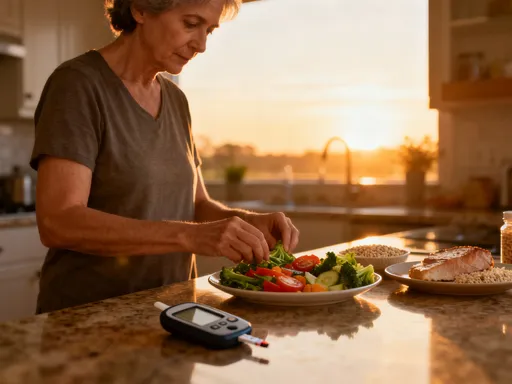
Diet was the final piece of the puzzle. I wasn’t eating poorly—I cooked most of my meals, avoided fast food, and tried to include vegetables. But I hadn’t considered how certain foods might be contributing to inflammation and breakouts. After researching the connection between diet and skin health, I decided to experiment with a few adjustments.
Sugar was the first culprit I addressed. I didn’t eat candy every day, but I did enjoy desserts, sweetened yogurt, and the occasional soda. I learned that high-glycemic foods—those that cause rapid spikes in blood sugar—can increase insulin levels, which in turn boosts androgen activity and sebum production. Studies have linked high sugar intake to a higher risk of acne. I didn’t cut sugar completely, but I reduced it significantly and focused on whole fruits instead of processed sweets.
Dairy was another area of interest. Some research suggests that milk, particularly skim milk, may be associated with acne due to its hormonal content and effect on insulin-like growth factor (IGF-1). I didn’t eliminate dairy entirely, but I switched from skim to full-fat organic options and reduced my intake of milk in coffee and cereal. I noticed fewer breakouts within a few weeks.
At the same time, I began emphasizing skin-supportive nutrients. Omega-3 fatty acids, found in fatty fish, flaxseeds, and walnuts, help reduce inflammation. Antioxidants like vitamins C and E, abundant in berries, leafy greens, and nuts, protect skin from oxidative stress. Zinc, present in pumpkin seeds, lentils, and shellfish, supports wound healing and immune function. Rather than relying on supplements, I focused on whole, nutrient-dense foods. I also made sure to include healthy fats—avocados, olive oil, nuts—which help maintain the skin’s lipid barrier and prevent moisture loss.
The key was balance, not perfection. I allowed myself occasional treats without guilt. The goal wasn’t a flawless diet but a consistent pattern of choices that supported my body. Over time, my skin became less reactive, my texture improved, and I felt more energized overall.
Putting It All Together: My Daily Routine for Healthy, Resilient Skin
Today, my approach to skincare is no longer about chasing perfection. It’s about consistency, awareness, and balance. My daily routine includes both external and internal practices—simple habits that support long-term health rather than quick fixes.
In the morning, I start with a glass of water with lemon and a pinch of sea salt to support hydration and electrolyte balance. I eat a breakfast rich in protein and healthy fats—like eggs with avocado or oatmeal with nuts and berries. I cleanse my face with a gentle, non-stripping cleanser and apply a moisturizer with SPF. But just as important, I spend five minutes breathing deeply and setting an intention for the day. This small pause helps me start with calm rather than chaos.
In the evening, I remove makeup with a mild oil-based cleanser, followed by a gentle wash. I use a moisturizer suited to my skin’s needs, but I don’t over-layer products. More importantly, I wind down without screens. I read, journal, or sip chamomile tea. I aim to be in bed by 10:30 p.m., lights out by 11. I also track how my skin responds over time—taking note of breakouts, dryness, or changes in texture. This helps me identify patterns, like how dairy affects me or how a poor night’s sleep shows up on my face.
The most important shift has been in my mindset. I no longer see my skin as a problem to fix, but as a reflection of how I’m living. When I’m stressed, it shows. When I’m well-rested and nourished, it glows. This awareness has made me kinder to myself. I’ve learned to listen—really listen—to what my body is telling me. And in doing so, I’ve built a routine that’s not just about looking good, but feeling good.
Final Thoughts: Beauty as a Mirror of Health
Looking back, I realize that my skin was trying to tell me something long before I started listening. It wasn’t just asking for a better moisturizer—it was asking for better care. What began as a search for clearer skin became a journey toward greater self-awareness and holistic health. I learned that true beauty isn’t something we apply; it’s something we cultivate.
Patience was essential. Changes didn’t happen overnight. It took weeks to notice subtle improvements, and months before my skin felt consistently balanced. But the results were more lasting than any product could offer. By addressing root causes—dehydration, poor sleep, stress, diet—I didn’t just improve my complexion; I improved my overall well-being.
I also learned the value of professional guidance. While lifestyle changes made a huge difference, I didn’t do it alone. My dermatologist helped me rule out underlying conditions and provided evidence-based advice. I didn’t need a prescription, but I did need expertise. That combination—self-awareness and professional support—was powerful.
If you’re struggling with your skin, know that you’re not alone. The answer may not be in the next trending product, but in the quiet habits you build every day. Start small. Drink more water. Go to bed 15 minutes earlier. Take a walk without your phone. Notice how your skin responds. Let it guide you. Because when we listen closely, our bodies have a way of showing us the path to better health—one reflection at a time.