Move More, Live Better: How Simple Exercise Changed My Daily Health
You probably know exercise is good for you — but what if just a few small moves could make your days feel lighter, sharper, and more energetic? I used to skip workouts, thinking only long gym sessions counted. Then I started walking, stretching, and moving for minutes a day. The shift wasn’t dramatic, but over time, everything improved — sleep, mood, even focus. This is not a fitness revolution. It’s real life, bettered by motion. What began as a quiet decision to stand more and sit less unfolded into a deeper understanding: movement is not a luxury or a punishment, but a fundamental part of how we stay well. And the best part? It doesn’t require special equipment, hours of time, or extreme effort.
The Wake-Up Call: When Inactivity Started Catching Up
For years, I told myself I was too busy to exercise. My days were filled with responsibilities — managing a household, caring for family, keeping up with errands and appointments. I believed that unless I could commit to a 45-minute workout, nothing else would matter. Over time, I accepted a new normal: waking up tired, feeling stiff when I stood from the couch, and struggling to concentrate by mid-afternoon. I assumed these were just signs of getting older, inevitable changes that came with age and a full schedule.
But the truth was different. My body wasn’t aging too fast — it was moving too little. The average adult spends more than eight hours a day sitting, and for many, that number climbs even higher. This sedentary lifestyle quietly increases the risk of chronic conditions like heart disease, type 2 diabetes, and even certain types of cancer. Research shows that prolonged sitting slows circulation, reduces metabolic activity, and contributes to muscle degeneration. My fatigue wasn’t just from being busy — it was from being still.
The turning point came after a routine checkup. My blood pressure was slightly elevated, and my doctor gently asked, “How much do you move during the day?” That simple question sparked a realization: I wasn’t doing anything wrong, but I also wasn’t doing enough right. Movement had become an afterthought, something I reserved for special occasions or guilt-driven resolutions. What I didn’t yet understand was that movement isn’t something you add to life — it’s something that helps life work better.
Exercise Isn’t Just for Athletes: Rethinking What “Counts”
One of the biggest barriers to becoming more active is the misconception of what exercise should look like. Many people imagine running on a treadmill, lifting weights, or attending high-energy classes — activities that can feel intimidating, time-consuming, or inaccessible. But the reality is that exercise doesn’t have to be intense to be effective. In fact, the most powerful form of physical activity for long-term health may be the kind that blends seamlessly into daily life.
Everyday movement — walking to the mailbox, standing while folding laundry, gardening, or even pacing during phone calls — counts as exercise. These actions, often dismissed as too small to matter, actually play a crucial role in maintaining health. Known as non-exercise activity thermogenesis (NEAT), these movements help regulate blood sugar, support joint health, and keep the cardiovascular system active. Studies show that people who incorporate more NEAT into their days have lower body fat, better insulin sensitivity, and improved energy levels — even if they never step foot in a gym.
The key is consistency. While a single 30-minute walk is beneficial, the cumulative effect of multiple short bursts of movement throughout the day can be just as impactful. This shift in mindset — from viewing exercise as a separate event to seeing it as a continuous thread in daily life — makes it easier to sustain. Movement becomes less about performance and more about presence, less about goals and more about living with greater ease.
The Science Behind Motion: How Movement Protects Your Body
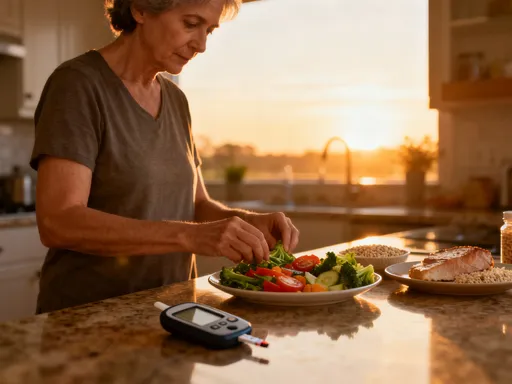
Beyond how it makes us feel, physical activity works at a biological level to protect and repair the body. When we move, our muscles contract and require energy, drawing glucose from the bloodstream. This process improves insulin sensitivity, reducing the risk of type 2 diabetes. In fact, research from the American Diabetes Association shows that regular physical activity can lower diabetes risk by up to 58% in high-risk individuals — a greater impact than many medications.
Muscles also act as metabolic reservoirs. The more we use them, the more efficiently they process sugar and fat. This is especially important as we age, when muscle mass naturally declines. Without regular stimulation, this loss accelerates, leading to weaker bones, slower metabolism, and increased frailty. But even light resistance or daily walking can slow this process, preserving strength and independence over time.
Movement also reduces systemic inflammation, a silent contributor to many chronic diseases. Chronic inflammation has been linked to heart disease, arthritis, and even cognitive decline. Physical activity triggers the release of anti-inflammatory cytokines, helping to balance the immune system. Additionally, circulation improves with movement, delivering oxygen and nutrients to tissues while removing waste products. This supports brain health, enhances healing, and promotes better sleep — all from something as simple as standing up and walking around.
Starting Small: My First Steps (Literally)
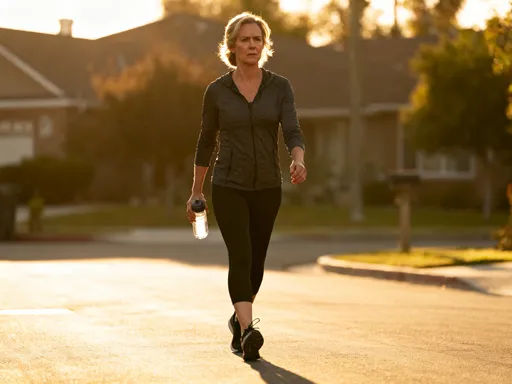
My journey didn’t begin with a fitness tracker or a personal trainer. It began with a decision: to walk to the grocery store instead of driving. That first trip took about 12 minutes each way, and I remember feeling slightly out of breath when I returned. But the next day, it felt easier. Within a week, I started parking at the far end of the lot, taking the stairs at the library, and setting a timer to stand and stretch every hour.
These small changes brought noticeable differences almost immediately. I found that my digestion improved after walking post-meal, a benefit supported by studies showing that gentle movement aids gastric motility. My afternoon mental fog lifted — I could focus better on tasks without reaching for a second cup of coffee. Even my sleep deepened, likely due to the regulation of cortisol and the natural fatigue that comes from physical activity.
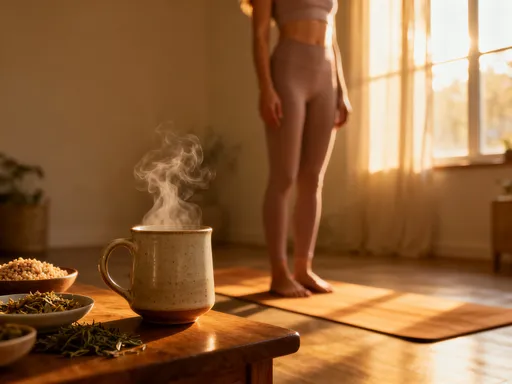
One of the most effective strategies I adopted was habit stacking — linking movement to existing routines. After brewing my morning tea, I would do three minutes of stretching. While waiting for the laundry to finish, I’d do calf raises or shoulder rolls. These moments added up, creating a rhythm of motion that required little willpower. The goal wasn’t to transform my body overnight but to reawaken it, to remind it that movement is natural, necessary, and nourishing.
Building a Lifestyle, Not a Routine
Sustainability is the true measure of success when it comes to health habits. Intense regimens often fail not because they’re ineffective, but because they’re too rigid to fit real life. What worked for me wasn’t a strict schedule, but a flexible approach centered on consistency. I began thinking in terms of “movement snacking” — short, frequent bursts of activity sprinkled throughout the day.
A 2021 study published in the British Journal of Sports Medicine found that adults who engaged in multiple short bouts of activity — as little as two to five minutes at a time — experienced significant cardiovascular benefits compared to those who were mostly sedentary. This approach is especially valuable for people with busy schedules or physical limitations. A few minutes of marching in place during a TV commercial, stretching while watching the news, or doing seated leg lifts while reading — all contribute to better health.
I also made small environmental changes to support movement. I placed my walking shoes by the front door, a visual cue that made it easier to step outside. I switched to a standing desk for part of the day and used a water bottle that required frequent refills, prompting more trips across the room. These cues reduced the friction of starting, making movement a default rather than a decision. Over time, these habits became so natural that I no longer thought of them as “exercise” — they were simply part of how I lived.
Listening to Your Body: Progress Without Pressure
One of the most important lessons I learned was to pay attention to how I felt, not just what I did. In the beginning, I sometimes pushed too hard, trying to “earn” results. But true progress isn’t measured in steps or calories — it’s measured in how you feel. When I started noticing that gentle movement eased my stiffness and lifted my mood, I realized that rest and recovery were just as important as activity.
Listening to your body means respecting its signals. If I felt fatigued, I chose rest instead of forcing a walk. If my joints felt stiff, I focused on mobility exercises rather than intensity. This approach reduced my risk of injury and prevented burnout. Research shows that people who practice self-compassion in their health journey are more likely to maintain long-term habits. Movement shouldn’t feel like a punishment — it should feel like care.
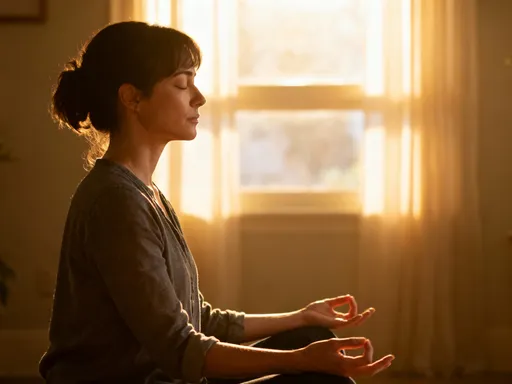
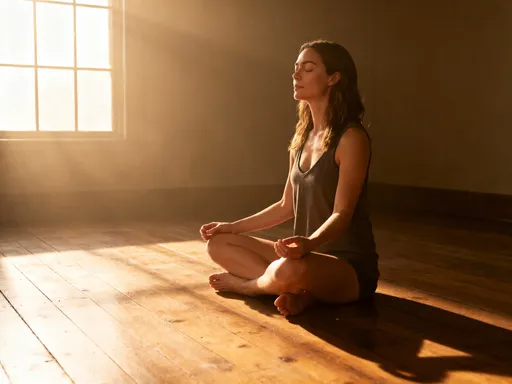
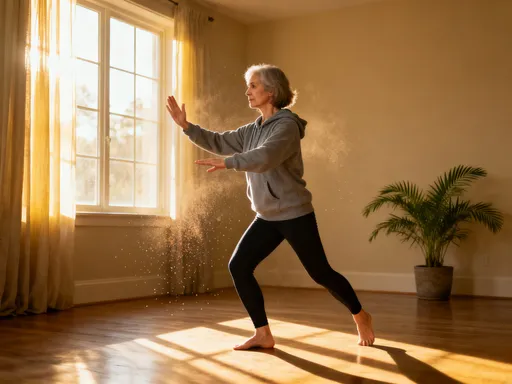
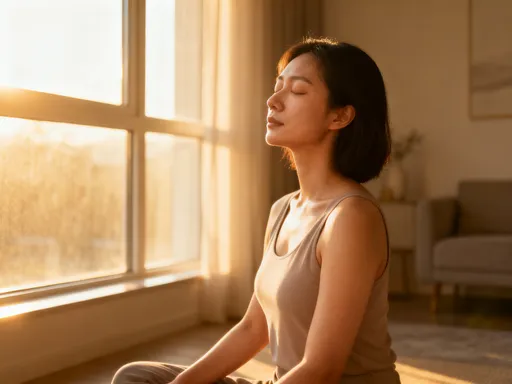
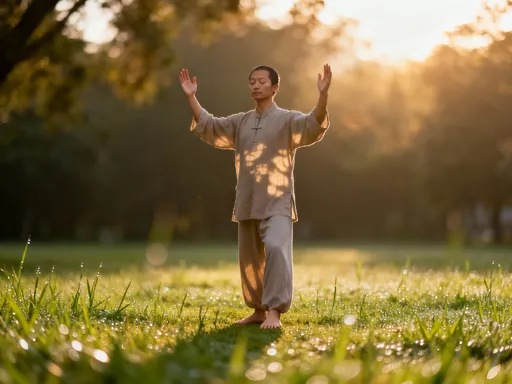
Gentle activities like yoga, tai chi, or slow walking are especially beneficial for recovery. They increase blood flow without strain, support joint lubrication, and activate the parasympathetic nervous system — the body’s “rest and digest” mode. By balancing activity with awareness, I found a rhythm that felt sustainable, kind, and deeply personal. Progress wasn’t about pushing harder — it was about moving with intention.
Long-Term Gains: What Changed After Months of Moving
After several months of consistent, gentle movement, the changes became undeniable. My sleep quality improved — I fell asleep faster and woke up feeling refreshed. My mood stabilized, with fewer days of low energy or irritability. I noticed I was getting sick less often, which aligns with research showing that moderate physical activity boosts immune function by increasing the circulation of immune cells.
Others began to notice, too. A friend commented, “You seem more energetic lately.” My daughter said I was “less tired” when we spent time together. These small affirmations were meaningful — not because I was trying to impress anyone, but because I was showing up more fully in my own life. I had more patience, more presence, and more joy in ordinary moments.
The biggest shift was in my mindset. I no longer saw movement as a chore or a fix for something broken. Instead, I saw it as a daily act of self-respect — a way to honor my body and invest in my future. Prevention isn’t about avoiding one specific illness; it’s about building a life that feels good now and supports long-term well-being. The habits I developed weren’t about transformation — they were about preservation, connection, and vitality.
Make Motion Meaningful
Looking back, the most powerful insight wasn’t about fitness — it was about philosophy. Movement is not a transaction. You don’t move to lose weight or look a certain way. You move because your body was designed to. You move to feel stronger, clearer, and more alive in the life you already have. The benefits of physical activity are not reserved for athletes or the young — they are available to anyone willing to start small and stay consistent.
Small actions truly do add up. A few minutes of walking, stretching, or standing can shift your energy, improve your health, and enhance your daily experience. Movement is, quite literally, medicine — one of the most effective and accessible forms we have. And unlike many treatments, it comes with no side effects, only benefits.
Prevention begins with awareness. It starts with noticing how you feel, recognizing the impact of stillness, and making a gentle choice to move. You don’t need extreme measures, expensive equipment, or hours of time. You just need to begin — wherever you are, with whatever you can do. Stand up. Take a step. Breathe deeply. Let motion become a quiet, powerful form of self-care. And always remember to consult your healthcare provider before starting any new physical activity, especially if you have existing health concerns. Your body will thank you — today, tomorrow, and for years to come.