What I Learned the Hard Way: Yoga, TCM, and the Diet Mistakes That Held Me Back
I’ve spent years chasing balance through yoga and meditation, believing I was doing everything right—until my energy crashed and my focus faded. It wasn’t until I looked closely at my diet through the lens of Traditional Chinese Medicine that I realized how my habits were sabotaging my practice. This is the real talk about the hidden pitfalls most overlook when combining mind-body wellness with nutrition. Despite dedicated asanas, breathwork, and daily mindfulness, I felt increasingly drained, unfocused, and emotionally unsettled. The missing piece wasn’t more meditation or longer holds in warrior poses—it was what I was—and wasn’t—eating. What I discovered reshaped not only my plate but my entire approach to well-being.
The Illusion of Balance: When Yoga Isn’t Enough
For over a decade, my mornings began the same way: unrolling my mat, lighting a candle, and moving through a familiar sequence of sun salutations. I believed that this ritual alone was enough to sustain my health. I meditated, stretched, and practiced mindfulness with discipline. Yet, by mid-afternoon, I would find myself slumped at the kitchen table, reaching for another cup of coffee just to stay alert. My sleep was restless, my digestion sluggish, and my emotional resilience thin. I felt like a fraud—someone preaching inner peace while battling constant fatigue.
It wasn’t until I consulted a practitioner of Traditional Chinese Medicine (TCM) that I began to understand the deeper imbalance. She didn’t ask about my yoga routine. Instead, she asked what I ate, when I ate it, and how I felt after meals. Her assessment pointed to qi deficiency and a disruption in my yin-yang equilibrium—conditions not visible on blood tests but evident in how I lived. In TCM, qi is the vital energy that powers every function in the body, from digestion to cognition. When qi is low, even the most disciplined physical practices can’t fully compensate. The body needs nourishment that aligns with its energetic needs, not just caloric intake.
Yoga, as a practice, supports the flow of qi through movement and breath. But if the fuel to generate that energy is compromised, the system falters. My smoothie-based breakfasts, heavy on raw greens and cold ingredients, were weakening my digestive fire. My late dinners were taxing my liver’s ability to detoxify during its peak cycle at night. These habits were quietly undermining the very balance I sought. The realization was humbling: wellness isn’t a checklist of good habits. It’s a dynamic interplay between movement, rest, and—critically—what we feed ourselves, both physically and energetically.
Cold Drinks, Hot Practice: The Temperature Trap
One of the most surprising revelations was how something as simple as a glass of cold water could disrupt my well-being. After an intense vinyasa class, I would gulp down an icy smoothie, believing I was replenishing nutrients and cooling my overheated body. What I didn’t know was that in TCM, the digestive system functions like a slow-burning stove—what’s called the ‘digestive fire’ or spleen qi. This fire needs warmth to break down food efficiently and transform it into usable energy. Introducing cold substances, especially after physical exertion, is like dousing that fire with water.
Over time, this habit led to chronic bloating, fatigue after meals, and a persistent feeling of heaviness. My body wasn’t absorbing nutrients properly, no matter how ‘clean’ my diet appeared. TCM teaches that food isn’t just about macronutrients; it’s about energetics—how temperature, preparation, and timing affect the body’s internal environment. Cooling foods like raw salads, iced drinks, and uncooked fruits are beneficial in excess heat or inflammation, but when consumed regularly—especially by someone with a cooler constitution—they can lead to dampness and stagnation.
The solution wasn’t deprivation, but realignment. I began replacing cold smoothies with warm, cooked breakfasts—oatmeal with cinnamon, steamed apples, and a pinch of ginger. I switched to room-temperature herbal teas like chamomile and peppermint after yoga instead of iced drinks. The change was subtle at first, but within weeks, my digestion improved, my energy stabilized, and my post-practice clarity deepened. I learned that supporting the body’s natural warmth isn’t about rejecting modern habits—it’s about respecting the ancient wisdom that digestion is the foundation of vitality.
The Over-Cleansing Obsession: Detoxing Too Hard, Too Often
In my pursuit of purity, I became a regular participant in juice cleanses and extended fasts. I believed I was ‘resetting’ my system, flushing out toxins, and giving my organs a break. Each cleanse began with enthusiasm—clear skin, mental sharpness, a sense of accomplishment. But by day three, I would feel cold, shaky, and emotionally raw. My meditation sessions, once a source of calm, became battlegrounds of irritability and mental noise. I was chasing clarity but landing in depletion.
TCM offers a different perspective on detoxification. Rather than aggressive purging, it emphasizes gentle, continuous support of the body’s natural elimination pathways—through the liver, kidneys, lungs, and digestive tract. The kidneys, in particular, are said to store jing, the body’s essential life force. Excessive fasting or liquid-only diets can deplete jing over time, leading to long-term fatigue, weakened immunity, and hormonal imbalance. What I thought was cleansing was actually weakening my foundational energy.
Instead of periodic extremes, TCM promotes daily rhythms that support natural detoxification. This includes eating warm, easily digestible meals, staying hydrated with warm fluids, and avoiding overconsumption of processed foods and alcohol. I learned that true purification isn’t about how little I could eat, but how well I could support my body’s ongoing processes. Now, I focus on seasonal eating—more bitter greens in spring to support liver function, cooling foods in summer, and warming, grounding dishes in fall and winter. This rhythm, not restriction, keeps my system balanced without the crash.
Mindful Eating vs. Mindless Fasting: A False Choice
Intermittent fasting was all the rage in the wellness circles I moved in. Friends praised its benefits—weight loss, mental clarity, cellular repair. I tried a 16:8 schedule, skipping breakfast and eating only between noon and 8 p.m. At first, I felt a sense of control. But soon, I noticed my anxiety rising by mid-morning. My hands would tremble, my thoughts race, and my focus dissolve. By the time I ate, I was ravenous, often overeating in response to the prolonged hunger.
From a TCM standpoint, this pattern made sense. My constitution leans toward qi and yin deficiency—conditions marked by low energy, dryness, and sensitivity to stress. For someone with this pattern, skipping meals disrupts the steady flow of energy the body needs to function. The spleen, responsible for transforming food into qi, becomes strained when forced to process large amounts of food after long gaps. Blood sugar fluctuations further destabilize the mind, making meditation feel like an uphill battle.
TCM doesn’t prescribe one-size-fits-all diets. Instead, it emphasizes eating according to one’s unique constitution and lifestyle. For me, regular, balanced meals—especially a warm breakfast—became non-negotiable. I now eat every three to four hours, focusing on whole grains, cooked vegetables, and moderate protein. This doesn’t mean I eat constantly; it means I honor my body’s need for consistent fuel. The result? Stable energy, reduced anxiety, and a mind that’s truly ready for stillness when I sit to meditate.
The Sweet Crutch: Emotional Eating and Meditation Avoidance
I used to reward myself with a small piece of dark chocolate after meditation. It started as a treat, but over time, it became a ritual—a way to transition out of stillness and back into daily life. What I didn’t realize was that I was using sugar to regulate my emotions. On days when my practice felt difficult or my mind was restless, I’d reach for something sweet not out of hunger, but as a comfort.
TCM links excessive sugar consumption to the spleen and the production of dampness and phlegm-heat in the body. This doesn’t refer to respiratory mucus, but to a kind of internal ‘fogginess’ that affects mental clarity. When the spleen is overburdened by sweet, rich, or processed foods, it fails to transform nutrients properly, leading to fatigue, brain fog, and emotional instability. Sugar provides a quick burst of energy, but it’s followed by a crash that leaves the mind scattered—exactly the opposite of what meditation aims to cultivate.
Breaking this cycle required awareness and substitution. I began replacing refined sweets with naturally sweet, cooked foods—baked apples, roasted carrots, small portions of soaked raisins. These satisfy the palate without overwhelming the spleen. I also started journaling after meditation instead of reaching for a treat, allowing space to process emotions without numbing them. Over time, the craving diminished, and my post-meditation state became more integrated, less dependent on external rewards. True mindfulness, I learned, includes awareness of why we eat, not just what we eat.
Herbs vs. Hustle: Why Quick Fixes Fail
At one point, I filled my pantry with jars of adaptogenic powders—ashwagandha, maca, reishi—hoping for a quick fix. I stirred them into my morning drinks, believing they would boost my energy, balance my hormones, and deepen my practice. For a short while, I felt a lift. But the effects were fleeting. Without addressing my foundational habits, the supplements were like pouring water into a cracked bowl.
TCM respects the power of herbs, but only when used appropriately and within a larger context of lifestyle balance. Herbs are not substitutes for poor diet or chronic stress. They are tools to support, not replace, the body’s natural rhythms. I realized I was using them to compensate for irregular meals, late nights, and emotional strain—habits that no powder could correct.
Instead of chasing trends, I turned to whole foods and traditional preparation methods. I incorporated fermented foods like sauerkraut and miso into my meals, recognizing their role in gut health and, by extension, emotional balance. I began cooking seasonally, using warming spices in winter and lighter, cooling foods in summer. I prioritized regular sleep and consistent meal times over the latest superfood. These choices didn’t promise instant results, but they built a foundation of resilience. The supplements I still use are minimal, targeted, and recommended by a qualified practitioner—not chosen from an influencer’s post.
Putting It All Together: A Balanced Day, Rooted in Wisdom
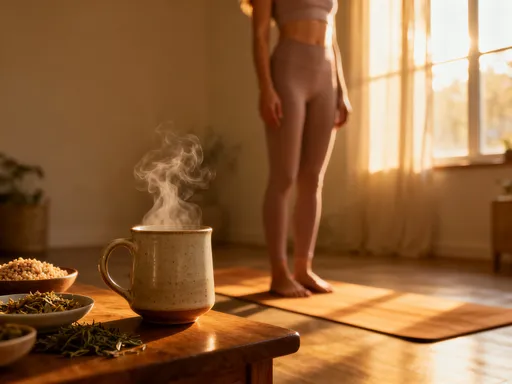
Today, my routine reflects a harmony between yoga, mindfulness, and TCM principles. My day begins with a warm cup of ginger tea, followed by a nourishing breakfast of congee or warm oatmeal with stewed fruit. I practice yoga in the morning, when my body is most flexible and my mind is fresh. Lunch is my largest meal—cooked grains, steamed vegetables, and a small portion of protein—eaten mindfully, without distractions.
Dinner is light and early, finished by 7 p.m., allowing my digestive system to rest before sleep. I avoid raw, cold, or heavy foods in the evening, knowing they can disrupt both digestion and sleep quality. My snacks, when needed, are simple—warm herbal tea, a small handful of soaked nuts, or a piece of cooked pear. I no longer chase extremes. There are no cleanses, no fasting, no reliance on supplements. Instead, there is consistency, awareness, and respect for my body’s signals.
The changes didn’t happen overnight. They came from listening, adjusting, and letting go of the idea that wellness is about perfection. It’s about showing up, day after day, with kindness and attention. My meditation is deeper now, not because I’ve mastered the technique, but because my body is no longer fighting against itself. My energy is steady, my mood more even, and my connection to myself more authentic.
True wellness, I’ve learned, isn’t found in the most advanced pose or the trendiest diet. It’s in the quiet moments—sipping warm tea, chewing slowly, noticing how food makes you feel. It’s in honoring the wisdom that has guided human health for centuries, not discarding it for the next quick fix. Yoga taught me to breathe. TCM taught me to nourish. Together, they’ve taught me balance—not as a destination, but as a daily practice of listening, choosing, and living with intention.