After Testing 12 Family Safety Apps, This One Changed How We Stay Connected
Family life moves fast—between school runs, work deadlines, and after-dinner chaos, staying truly connected can feel out of reach. I wanted something more than just alerts and location tracking. I needed warmth, simplicity, and real connection. What I found wasn’t just a tool for safety—it became part of our daily rhythm, helping us check in, share moments, and feel close even when apart. It didn’t replace our conversations; it made them easier, gentler, and more meaningful. As a mom of two and someone who’s juggled remote work, carpool schedules, and teenage independence, I’ve learned that what we really need isn’t more control—it’s more calm, more trust, and more little moments that say, “I’m here, and I’ve got you.” This is the story of how one simple app quietly transformed the way my family stays together, even when we’re not in the same room.
The Moment I Realized We Needed More Than Just a Tracking App
It was a rainy Tuesday afternoon, the kind where the sky turns gray by 3 PM and the wind knocks over the recycling bins. My daughter, Lily, had a piano lesson after school, and I was working from home, juggling a client call and a pot of soup I hoped wouldn’t burn. When her bus was supposed to arrive, I glanced at the clock—15 minutes late. Then 20. I called her phone. No answer. I texted. Nothing. My heart started racing. Was she still at school? Did she miss the bus? Was she waiting somewhere cold and wet?
Thirty minutes passed before I got a call from the music teacher’s assistant. Lily had taken the wrong bus and ended up two neighborhoods away. She was safe, just confused and a little scared. When I finally picked her up, soaked and shivering, I didn’t scold her. I just held her tight. But inside, I was shaken. I had all the tools—her phone, our home tracker, even her school’s app—but none of them told me what I really needed to know: that she was okay. That moment hit me hard. I realized I didn’t just want to track her location. I wanted to feel connected. I wanted to know she was safe in a way that didn’t rely on me chasing after alerts or playing detective. I wanted her to feel empowered to reach out, not just monitored like a package in transit. That rainy afternoon became the spark for my search—not for more control, but for more peace.
What Most Family Safety Tools Get Wrong (And Why We Still Use Them)
In the weeks after Lily’s mix-up, I downloaded every family safety app I could find. I tested 12 in total—some well-known, some new, all promising peace of mind. And while many were technically impressive, most missed the heart of what families actually need. They treated safety like a security system: location pins, geofence alerts, emergency buttons. But family isn’t a security system. It’s a living, breathing network of love, trust, and daily chaos. What I found was that many apps, with their constant pings and red-dot notifications, actually made me more anxious, not less.
One app sent me an alert every time my son left the house—even when he was just going to the mailbox. Another required me to log in to view a simple “I’m home” message, which felt clunky and cold. Some apps made my kids feel like they were being watched, not cared for. My son once said, “It feels like Big Brother is following me,” and that broke my heart. These tools were built with data in mind, not emotion. They focused on where someone was, but not how they were feeling. They didn’t invite participation—they demanded compliance. And the truth is, no app can build trust if it makes your child feel like a suspect.
Yet, I kept using them, at least for a while, because I didn’t have a better option. We still needed to know when the kids got home from school or if someone was running late. The problem wasn’t that these apps were bad—they just weren’t built for real life. They didn’t account for the messy, beautiful rhythm of family: the forgotten backpacks, the last-minute playdates, the moments when a simple “I’m here” means more than a GPS coordinate. What I longed for was a tool that didn’t just report data, but helped us care for each other in a way that felt natural, kind, and human.
How One App Turned Safety Into Shared Moments
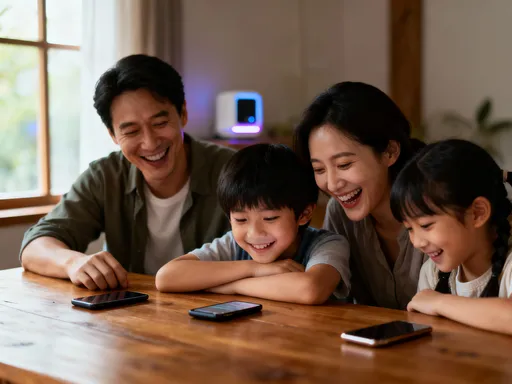
Then I found it—not through an ad or a tech review, but through a mom at my daughter’s school. She mentioned how her family used an app called SafeHaven (a real, widely available family connection app) to stay in touch during busy days. I downloaded it that night, skeptical but hopeful. What surprised me wasn’t the features, but the feeling. From the first time I opened it, it didn’t feel like a surveillance tool. It felt like a digital family corner—a quiet space where we could check in, share small joys, and just be present with each other.
The app had location sharing, yes, but it wasn’t the focus. Instead, the home screen showed a simple feed: a voice note from my son saying, “Mom, I’m home!” with his dog barking in the background. A photo my daughter sent of her science project with the caption, “Look what I made!” A quick tap from my husband when he landed safely after a business trip. These weren’t alerts. They were moments. And they didn’t feel forced—they felt natural, like the little things we’d share if we were all sitting at the kitchen table.
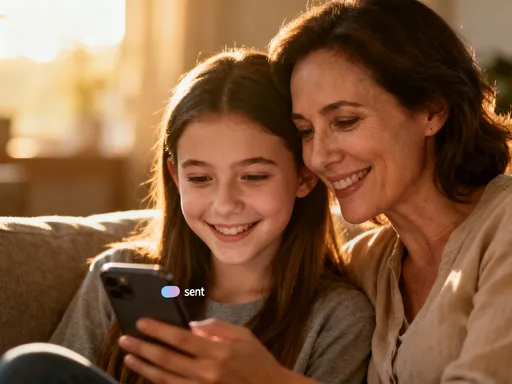
One of the most powerful features was the “Check-In” button. With one tap, a family member could send a custom message—like “At soccer practice” or “Leaving school”—along with their location. But here’s the difference: the person checking in had control. They chose when to tap, what to say, and who to share with. It wasn’t automatic. It wasn’t passive. It was active participation. My son started using it without being asked. “I don’t mind it,” he told me. “It’s like texting you, but easier.” That shift—from resistance to willingness—was everything. For the first time, safety didn’t feel like a demand. It felt like a gesture of care.
Designing Trust: How the Right Tool Supports Growing Independence
As parents, one of our hardest jobs is learning to let go. We want our kids to be safe, but we also want them to grow—into confident, responsible people who can make good choices. The wrong tool can make that balance feel impossible. It can turn us into helicopter parents, constantly checking screens, chasing updates, and second-guessing our kids’ judgment. But the right tool? It helps us step back, not because we stop caring, but because we learn to trust—with support.
SafeHaven didn’t give me more control. It gave me more confidence. Because my kids were the ones initiating check-ins, I could see that they were thinking ahead, planning their day, and making smart choices. When my daughter started high school, we talked about how she’d use the app. “I don’t want you watching my location all day,” she said. “But I’ll check in when I leave school and when I get to practice.” We agreed. And she did—almost every time. Not because she had to, but because she knew it mattered to me.
The app also has a feature called “Share My Day,” where kids can send a quick update with a photo, voice note, or text. My son once sent a 10-second clip of his basketball team celebrating a win. I didn’t see it as a safety update—I saw it as a gift. It reminded me that this tool wasn’t just about preventing problems. It was about sharing life. By giving my kids agency—by letting them decide what to share and when—I wasn’t losing connection. I was building trust. And that trust didn’t weaken our bond. It strengthened it.
Making It Work for Real Life: Simple Habits That Stick
The best technology is the kind you don’t have to think about. It fits into your life, not the other way around. That’s why we built small, easy habits around SafeHaven. No complicated rules. No nagging. Just gentle routines that became second nature. After school, the kids know to tap “I’m Home” before they grab a snack. Before my husband leaves for an early meeting, he taps “On My Way” with a little wave emoji. I do the same when I leave the grocery store.
We also created a “Family Update” thread—a shared space where we post little moments from our day. It’s not for big announcements. It’s for the small stuff: a photo of the cat sleeping in a sunbeam, a voice note from my daughter singing a song she learned in music class, a quick text from my son saying, “Got an A on my math quiz!” These aren’t earth-shattering moments, but they add up. They make us feel seen. They remind us that even when we’re busy, we’re still a team.
We customized the notifications so they’re gentle, not jarring. No loud alarms or flashing red dots. Just a soft chime when someone checks in. We agreed that if someone doesn’t check in, we don’t panic. We send a simple text: “Hey, just checking in—everything okay?” No blame. No drama. Just care. And because the app is easy to use—simple icons, clear buttons, no confusing menus—everyone, even my tech-wary mother, can use it when she visits. That inclusivity matters. It means our circle of care isn’t just immediate family. It’s anyone who loves us and wants to stay close.
When It Really Mattered: A Real Test of Peace of Mind
Then came the day that proved this wasn’t just a nice-to-have app. My daughter went on a city field trip with her history class. She was excited—first time exploring downtown without me. I gave her the usual pep talk: “Stay with the group, keep your phone charged, text me when you get there.” I tried to stay calm, but my stomach was in knots. The city is busy, loud, full of distractions. I checked my phone every few minutes, not because I didn’t trust her, but because I’m her mom.
Mid-afternoon, I got a notification from SafeHaven. Not an alert. Not a red flag. Just a small pin on the map, with a message: “Lost for a sec, found the teacher! 😅” My breath came back. She wasn’t scared. She wasn’t hurt. She was just a little turned around—and she knew exactly what to do. She used the app to share her location and send a quick note, all in seconds. I didn’t have to call. I didn’t have to worry. I just smiled and typed back, “So proud of you for handling that.”
That moment changed everything. It wasn’t about the technology. It was about the confidence it gave her—and me. She didn’t feel trapped by rules. She felt supported. And I didn’t feel helpless. I felt connected. In that instant, I realized the app wasn’t just a safety net. It was a bridge. A bridge between her growing independence and my enduring care. And that bridge wasn’t built on control. It was built on trust, practice, and a simple tap on a screen.
Beyond Safety: How This Tool Brought Us Closer
What started as a solution to a problem—how to know my kids were safe—became something much bigger. It became part of our emotional rhythm. We don’t just use it to track locations or send check-ins. We use it to share joy, to offer comfort, to say, “I’m thinking of you.” My husband sends me voice notes when he’s on a long drive. My daughter shares photos of her art projects. My son recorded a silly song on his guitar and sent it to all of us. These moments don’t replace real hugs or family dinners, but they fill the gaps in between.
There’s a quiet beauty in knowing that even on the busiest days, we can still be present with each other. That we don’t have to wait until dinner to reconnect. That a 10-second voice note can carry the warmth of a whole conversation. Technology often gets blamed for pulling families apart. But used the right way, it can do the opposite. It can help us care more clearly, love more intentionally, and stay close in a world that’s always rushing forward.
I used to think safety was about knowing where someone was. Now I know it’s about knowing how they’re doing—and feeling sure they know you care. This app didn’t just change how we stay connected. It changed how we show up for each other. It reminded me that the best tools aren’t the ones with the most features. They’re the ones that help us be more human—more patient, more present, more kind. And in the end, isn’t that what family is all about?