What if your daily routine could run itself—effortlessly?
Ever feel like you’re constantly chasing the day, scrambling to stay on track? I used to, until I started using video tutorial platforms in a whole new way—not just to learn skills, but to build a life rhythm that sticks. No willpower needed. These simple, visual guides quietly became the backbone of my mornings, workouts, meals, and even downtime. What if the key to a better routine wasn’t more discipline… but smarter support?
The Morning Chaos That Changed Everything
Remember those mornings when your alarm goes off and you already feel behind? I used to hit snooze five times, then jump out of bed in a panic, tripping over yesterday’s shoes while trying to find clean socks. Breakfast was either skipped or eaten standing up, one hand on the toast, the other pulling my hair into a messy bun. By the time I dropped the kids at school or logged into work, I felt like I’d already run a marathon—and the day had just begun. It wasn’t laziness. It was burnout disguised as routine.
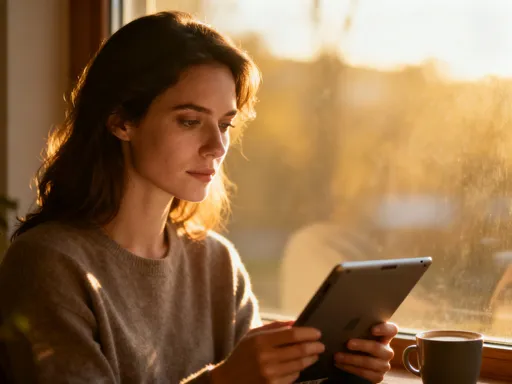
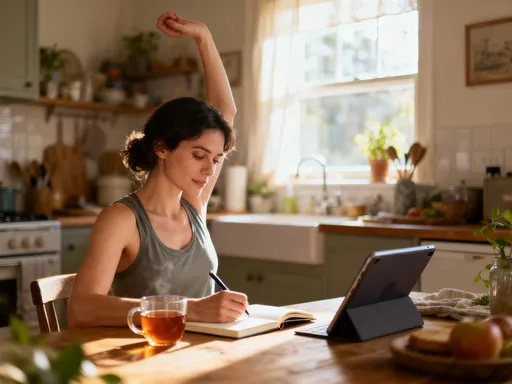
Then, one quiet Sunday, I stumbled on a 10-minute morning video titled 'Start Calm, Stay Calm.' No dramatic music, no fitness influencer shouting at me to 'crush my goals.' Just a woman in soft clothes, making her bed, stretching gently, brewing tea, and writing one sentence in a notebook. It felt so… doable. I thought, 'I could do that. Maybe.' So the next morning, I pressed play. I followed along. And something shifted.
It wasn’t perfect—my tea got cold, I forgot the journal, and my stretch looked more like a yawn—but I showed up. And the next day, I did it again. That third morning, my body almost remembered what to do before the video started. The visual rhythm—seeing someone move slowly, breathe deeply, smile at the sunlight—taught me more than any self-help book ever had. I wasn’t learning a routine. I was relearning how to begin.
That one video didn’t just change my mornings. It changed what I believed was possible for myself. I realized I didn’t need more motivation. I needed a clear, kind, repeatable path. And that path wasn’t in my head—it was on my screen, waiting to play.
How Video Tutorials Turn “I Should” into “I Did”
We all carry a mental list of things we *should* do: drink more water, move our bodies, cook healthier meals, take five minutes to breathe. But knowing what to do and actually doing it are two very different things. I used to stand in the kitchen, staring at vegetables, thinking, 'I should meal prep,' but overwhelmed by where to start. Or I’d promise myself, 'Tomorrow I’ll stretch,' only to collapse on the couch instead.
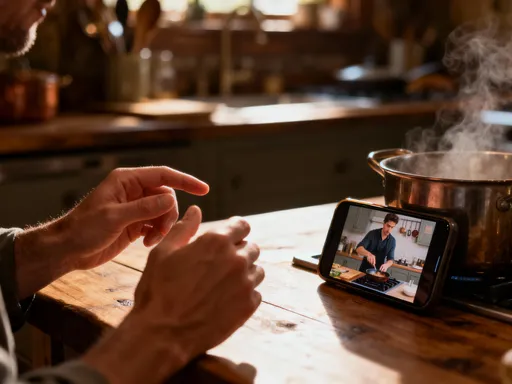
Then I found a 12-minute video called 'One Pan, Five Ingredients: Easy Weeknight Dinner.' The creator moved slowly, spoke calmly, and made mistakes—she even burned the onions and laughed about it. Watching her, I didn’t feel judged. I felt invited. And for the first time, cooking didn’t feel like a chore. It felt like a practice. I pressed play, followed along, and actually made the dish. I didn’t nail it, but I did it. And that was enough.
There’s science behind why this works. Our brains are wired to learn through observation. When we see someone else perform a task—especially in a real, unpolished way—our mirror neurons fire, as if we’re doing it ourselves. A well-shot, relatable tutorial doesn’t just teach a skill. It reduces the mental load of starting. It says, 'Look, it’s not perfect, but it’s happening. And you can too.'
That’s the quiet power of video platforms: they turn abstract intentions into visible actions. Instead of 'I should exercise,' it becomes 'I’ll follow that 15-minute living room workout I liked last week.' No pep talk needed. Just press play. The shift isn’t in effort—it’s in access. And once you’ve done something once, doing it again feels less like a challenge and more like a choice you’ve already made.
Building a Personalized Routine Without the Overwhelm
For years, I chased the idea of the 'perfect routine'—the kind you see in glossy magazines or influencer reels. Wake at 5 a.m., meditate for 20, journal with gratitude, do 100 push-ups, drink lemon water. But that version never fit my life. I’m not a morning person. My house is never quiet. And I don’t own a single piece of athleisure wear in white.
What finally worked wasn’t perfection—it was personalization. I stopped looking for one master routine and started building my own, piece by piece, like a collage. I saved a 7-minute yoga flow from a teacher who emphasized rest over speed. I bookmarked a 3-minute journaling prompt: 'What do I need to let go of today?' And I added a 4-minute desk reset video—clear the clutter, light a candle, take three breaths.
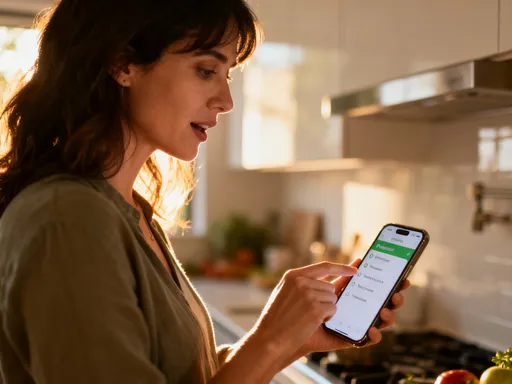
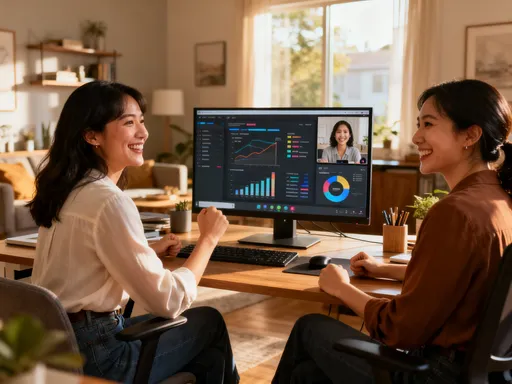
I created a playlist called 'My Calm Day' and saved it to my home screen. No planning. No decision fatigue. Just press play, and let the rhythm guide me. The beauty? The platform started learning what I liked. It suggested similar content—gentle stretches, mindful breathing, simple recipes—gently nudging me toward consistency without pressure.
Over time, this collection became my invisible coach. I didn’t need to remember what came next. The playlist did. And when I missed a day? No guilt. I just picked up where I left off. The routine wasn’t rigid—it was resilient. It adapted to me, not the other way around. And that’s when I realized: sustainability isn’t about discipline. It’s about design. And with video tutorials, I could finally design a routine that actually fit my life.
Making Family Life Smoother with Shared Visual Cues
It wasn’t just my routine that changed—our whole household began to shift. I noticed how much my daughter responded to predictability. She liked knowing what came next: snack after school, story before bed, hug at goodbye. So when bedtime battles started—delays, tears, endless requests for 'one more thing'—I searched for a solution that wasn’t just me yelling, 'It’s time to sleep!'
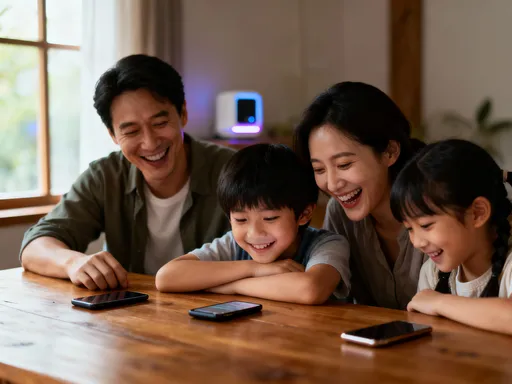
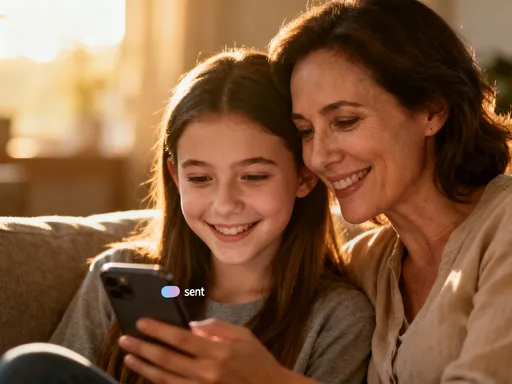
I found a sweet 5-minute video: 'Bedtime Routine for Kids.' It showed a little girl brushing her teeth, picking a book, reading with her mom, hugging, and turning off the light. Simple. Calm. Visual. I showed it to my daughter one evening, and she watched it like it was a cartoon. The next night, she said, 'Mom, can we do the video?' We watched it together, followed along, and for the first time in months, bedtime took 10 minutes instead of 45.
After a week, she didn’t need the video anymore. She’d just say, 'Time for brushing, then story, then hug.' The routine had become her own. But the real surprise? My partner started using it too. He found a 10-minute morning mobility routine—gentle stretches, breathing, a quick walk around the block. He’d play it before work, and I’d hear the familiar voice from the living room: 'Inhale as you reach up, exhale as you fold forward.'
We weren’t nagging each other. We weren’t keeping score. We were just following our own videos. And somehow, that created more harmony than any family meeting ever did. The platform became a quiet ally—not replacing our connection, but supporting it. We weren’t just building routines. We were building a shared language of care, one video at a time.
Learning Without Pressure—Just Progress
I used to sign up for online courses with big dreams and zero follow-through. 'Master French in 30 Days.' 'Learn Web Design.' 'Become a Plant Parent.' I’d watch the first lecture, feel inspired, then disappear by week two. The problem wasn’t the content. It was the pressure. Deadlines. Quizzes. The feeling that if I didn’t finish, I’d failed.
But short video tutorials? They felt different. No exams. No certificates. No judgment. Just learning, at my pace. I started with small things: how to organize my pantry, how to knit a scarf, how to make a smoothie with spinach (and hide it well). Each video was 5 to 15 minutes. I could watch it while waiting for the kettle. I could pause, rewind, try again.
And each time I completed one—really did it—I felt a tiny spark of confidence. Not because I’d become an expert, but because I’d shown up for myself. I wasn’t 'taking a course.' I was living a little better. One click, one action, one win at a time.
The lack of pressure made all the difference. I stopped seeing learning as something I had to 'complete' and started seeing it as something I could simply *enjoy*. I didn’t need to master sourdough to bake a decent loaf. I didn’t need to know all the knitting terms to make something warm for my niece. The videos gave me permission to be a beginner—and to stay one, if I wanted.
That shift changed how I saw growth. It wasn’t about big leaps. It was about small, repeatable steps, shown clearly and kindly. And when progress felt slow, I’d remind myself: I’m not behind. I’m just learning at my own pace. And that’s more than enough.
When Life Gets Busy, the Playlist Keeps You Anchored
Last month, everything felt like too much. Work deadlines piled up. The kids were sick. The dog needed surgery. I was running on coffee and adrenaline, and my usual routines fell apart. I canceled my workouts. I ate takeout every night. I stopped journaling. I even forgot to water the plants.
But one morning, I woke up exhausted and overwhelmed. I didn’t want to start the day. I didn’t even want to get out of bed. Then I remembered my 'Morning Calm' playlist. I didn’t have energy for 20 minutes. But I could do five.
I pressed play. I followed the first video: sit up slowly, stretch arms overhead, take three deep breaths, drink a glass of water. That’s it. Five minutes. And something shifted. I didn’t feel magically better. But I felt… centered. Like I hadn’t completely lost myself in the chaos.
That became my rule: when everything else falls away, keep the five-minute reset. Not because it fixes everything—but because it reminds me I’m still here. The routine didn’t demand energy. It gave it back. It wasn’t extra. It was essential—like brushing my teeth or locking the door at night.
On the hardest days, those videos became my anchor. Not because they were perfect. But because they were familiar. Because I knew them by heart. Because they asked nothing of me except to show up, even if just for a moment. And in that moment, I remembered: I don’t have to do it all. I just have to do one small thing. And that’s enough to begin again.
From Following to Creating: Owning Your Rhythm
Here’s the part I didn’t expect: I started making my own videos. Not to go viral. Not to build a brand. But to lock in what was working. I recorded my ideal evening routine: lighting a candle, reviewing my day, writing one thing I’m proud of, and choosing one word for tomorrow. I kept it short—under four minutes. Just me, in my living room, speaking softly.
At first, it felt strange. I worried about how I looked, what I sounded like. But after a few tries, I stopped caring. The video wasn’t for anyone else. It was for me. A visual reminder of what mattered. I saved it to my playlist, and soon, it became the one I reached for most.
Then I shared it with a friend who was struggling after her divorce. She said, 'Can I try your evening routine?' I sent her the video. A week later, she called: 'I did it. And I changed it—added a walk, skipped the candle. But it helped. I finally feel like I’m ending my day on my terms.'
That’s when it hit me: these platforms aren’t just for consuming. They’re for co-creating. For sharing not perfection, but possibility. The best routine isn’t the most efficient or the most popular. It’s the one you’ll actually do. And sometimes, all it takes is seeing someone—anyone—do it first. Maybe that someone is you.
So if you’re feeling stuck, behind, or just too tired to start—try this: find one short video that feels doable. Press play. Follow along. Don’t worry about getting it right. Just get it started. Let the rhythm guide you. Let the screen be your quiet coach, your gentle reminder, your partner in progress. Because the truth is, you don’t need more willpower. You just need a little help showing up—for yourself, every single day. And that help? It’s already waiting, one click away.