From Silent Mornings to Shared Smiles: How Smart Wake-Up Systems Brought Us Closer
Waking up used to mean groggy silences, mismatched rhythms, and missed moments. My partner and I would rise at different times, often without a word—starting the day disconnected. Then we tried a smart wake-up system designed for couples. It didn’t just change how we woke up; it transformed how we began our days together. Gentle light, personalized sounds, shared routines—small things that quietly deepened our connection. At first, I thought it was just another gadget promising more than it could deliver. But within days, something shifted. We were smiling before coffee. We were looking at each other again. And for the first time in years, our mornings felt like they belonged to both of us.
The Quiet Disconnect: When Mornings Feel Lonely
Let’s be honest—how many of us have woken up next to someone we love and still felt alone? I know I have. For years, my mornings looked the same: my partner rising at 5:30 a.m. for work, tiptoeing around the bedroom like a ghost, while I stayed buried under the covers until the last possible minute. By the time I opened my eyes, he was already gone—briefcase in hand, coffee gone cold on the counter. When we did cross paths, it was a mumbled “Have a good day” exchanged over half-zipped jackets and car keys. No eye contact. No warmth. Just motion.
It wasn’t anyone’s fault. Life had simply drifted into separate lanes. But over time, those quiet mornings began to weigh on me. I started to notice how rarely we truly shared the start of our day. And I realized something surprising: the beginning of the day sets the tone for everything that follows. When we skip connection at the very start, we carry that distance with us. We become roommates moving through routines instead of partners moving through life.
I began paying attention to other couples—the ones who seemed to move in sync. What did they do differently? I noticed they often had rituals. A shared cup of tea. A few quiet words before the world woke up. Something small, but intentional. And I wondered—could we create that too? Could we design a morning that felt like it was made for two? That question led me to explore how technology, of all things, might help us reconnect in the most human way possible.
Discovering a Different Dawn: Our First Encounter with Smart Wake-Up Tech
I found it by accident—scrolling through a home wellness site late one night, looking for anything that might help me feel less tired in the mornings. That’s when I saw it: a smart wake-up light that mimics the sunrise. It promised to ease you out of sleep with gradually brightening light, like the kind you’d experience if you were camping and the sky warmed above you. I was skeptical, but curious. I ordered one that night—just for me.
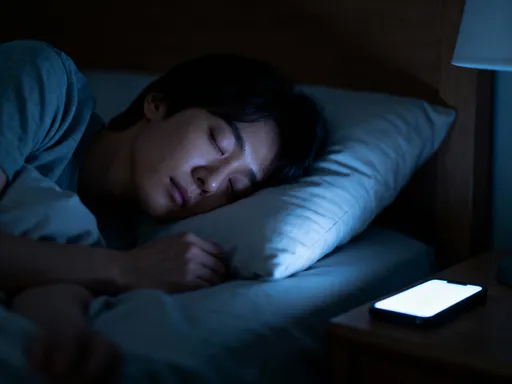
When it arrived, I placed it on my nightstand and set it for 6:45 a.m., my usual wake-up time. The next morning, instead of being jolted by a blaring alarm, I felt the room slowly grow lighter. At first, it was just a soft orange glow in the corner of my vision. Then, over 30 minutes, it deepened into a warm, golden light—like dawn spilling through a window. I opened my eyes naturally, without groaning. I didn’t feel rushed. I didn’t feel angry at the world. I just… woke up. And for the first time in a long time, I felt rested.
My partner noticed. “You seem different this morning,” he said over breakfast. “Lighter.” I told him about the device, and he asked if we could try syncing it for both of us. That’s when we upgraded to a dual system—one that allowed two people to wake up together, even if their schedules weren’t identical. We didn’t expect much. We just wanted to see if it could help us start the day in the same emotional space. What we didn’t expect was how quickly it would begin to change the way we related to each other in those first fragile minutes of the day.
How It Works: Technology That Understands Human Rhythms
You might be wondering—how does this actually work? And more importantly, does it really make a difference? Let me explain it simply, because I’m not a scientist, and when I first looked into this, the terms like “circadian rhythm” and “melatonin suppression” made my eyes glaze over. But here’s what I’ve learned: our bodies are built to respond to light. When it’s dark, we produce melatonin—the sleep hormone. When light enters our eyes, even before we’re fully awake, it signals our brain to slow melatonin and start waking us up.
A smart wake-up system uses this natural process. Instead of shocking your system with a sudden noise, it begins with a dim glow—usually red or orange—that slowly brightens over 15 to 30 minutes. This gradual increase tricks your body into thinking the sun is rising, so you wake up more naturally, more gently. Some systems also include sound—birdsong, soft music, or nature sounds—that starts quietly and increases in volume. The result? You wake up feeling more alert, less groggy, and more in control of your mood.
But here’s the real magic: when two people use it together, it creates a shared sensory experience. You’re not just waking up at the same time—you’re waking up together. You both feel the light grow, you both hear the soft sounds begin, and you both emerge from sleep in a calmer, more present state. It’s not about perfect synchronization; it’s about alignment. And that subtle shift—from jarring to gentle, from isolated to shared—makes all the difference in how you greet each other, and how you greet the day.
More Than an Alarm: Building Rituals That Bring Us Together
The biggest change didn’t come from the technology itself—it came from what we did with those extra moments. Before, our mornings were about survival: get up, get dressed, get out. Now, we have space. Real, quiet space. And in that space, we’ve built a tiny ritual—one that takes less than five minutes but means everything.
As the light reaches its peak, we turn toward each other. Sometimes we just smile. Sometimes we say, “Good morning.” Sometimes we reach for each other’s hands. We don’t talk about schedules or to-do lists. We don’t check our phones. We just be there. And then, usually, one of us says, “Coffee?” and the other nods. That’s it. That’s our ritual. But in those few seconds, we’re not just two people sharing a house—we’re two people choosing to start the day as a team.
I’ve heard from other women who’ve tried similar systems, and they say the same thing: it’s not about the gadget. It’s about the pause. It’s about creating a moment where connection is possible. One friend told me, “I used to think my husband didn’t care because he never talked in the morning. Now I realize he was just half-asleep. This light gives him time to wake up with me, not just around me.” That hit me hard. How many of us have mistaken sleepiness for indifference? How many small misunderstandings have grown from mornings that never gave us a fair chance to connect?
This little system didn’t fix everything. But it gave us a better starting point. And sometimes, that’s all a relationship needs—a slightly kinder beginning.
Customized for Two: Balancing Different Needs Without Compromise
One of the things I worried about was whether this could really work for two different people. My partner and I aren’t the same—we never will be. He’s a light sleeper. I need more time to wake up. He loves the sound of rain; I prefer soft piano. He has to leave the house by 6:30 a.m.; I can sleep until 7:00. I didn’t want a system that forced us into the same mold. I wanted one that could hold our differences gently.
That’s why I love how customizable these systems are. We each have our own side of the bed with a light and a speaker. His light starts brightening at 6:00 a.m., mine at 6:15. His sound is gentle rainfall, mine is a quiet piano melody. We share the same device, but our experiences are tailored. And because the light and sound are directional, I don’t get woken up by his early rise, and he’s not disturbed when my alarm goes off later.
It’s a small thing, but it’s powerful. It says: we don’t have to be the same to be together. We can honor our individual needs and still share something meaningful. I’ve seen couples try to force matching routines—same wake-up time, same breakfast, same everything—and it often backfires. One person resents the early start; the other feels abandoned if they sleep in. But this approach isn’t about uniformity. It’s about thoughtful coordination. It’s about saying, “I see you. I know you’re different. And I want to meet you where you are.”
That’s the kind of message that builds trust. Not grand gestures, but daily acknowledgments that your partner’s needs matter—even before the coffee is brewed.
Beyond the Bedroom: Ripple Effects on Daily Connection
Here’s what I didn’t expect: the better mornings didn’t just stay in the bedroom. They spilled into the rest of our day. We were more patient. We listened better. We argued less. It was like starting the day with a full emotional tank instead of running on empty.
One morning, my daughter spilled her juice all over the kitchen floor. Pre-smart-light me would have snapped. “Not again! Can’t you be more careful?” But that day, I took a breath. I smiled. “It’s okay, sweetie. Let’s clean it up together.” And my partner joined in without being asked. We were a team—not just in the morning, but in the messes and moments of the day.
I started to notice how much of our emotional resilience comes from how we begin. When we’re rushed, stressed, or disconnected first thing, we carry that tension into every interaction. But when we start with calm, with eye contact, with a shared smile, we set a different tone. We become more present. More available. More kind.
Our conversations changed too. We started talking about more than logistics. “How are you really?” became a real question, not just a formality. We shared small hopes—“I hope this project goes well”—and quiet worries—“I’m a little nervous about the doctor’s appointment.” And we listened. Not with half an ear while scrolling, but with our full attention. That kind of connection doesn’t happen by accident. It grows from moments of presence—moments we now protect in the morning.
And honestly? It made me feel more like myself. I wasn’t just reacting to the day. I was stepping into it with intention. That shift—from reactive to intentional—has been one of the most empowering changes of my adult life.
A Simpler, Softer Start: Why This Small Change Made a Big Difference
Looking back, I realize how much I used to underestimate the power of a good morning. I thought love was built in grand moments—vacations, anniversaries, big conversations. But now I see it’s also built in the quiet ones. In the way my partner reaches for my hand when the light first glows. In the way we say “good morning” like we mean it. In the way we’ve learned to wake up together, not just at the same time.
This smart wake-up system didn’t save our relationship. We were fine before. But it gave us something we didn’t know we were missing: the gift of a shared beginning. And in a world that pulls us in so many directions, that gift feels priceless.
Technology often gets a bad reputation for pulling us apart—phones stealing attention, screens replacing conversation. But when it’s designed with care, when it’s built to support human connection instead of replace it, it can do something beautiful. It can help us be more present. More patient. More loving.
If you’ve ever felt lonely in the morning, even with someone beside you, I want you to know—you’re not alone. And you don’t have to stay stuck in that rhythm. A small change—a gentler light, a softer sound, a few shared moments—can open the door to a deeper connection. You don’t need a perfect relationship to start. You just need a willingness to try.
So here’s my invitation to you: imagine a morning where you wake up feeling rested. Where you turn to your partner and truly see them. Where you begin the day not in silence, but in warmth. That morning is possible. And it might start with nothing more than a little light, growing softly in the dark.