What If Your Morning Commute Could Actually Boost Your Day?
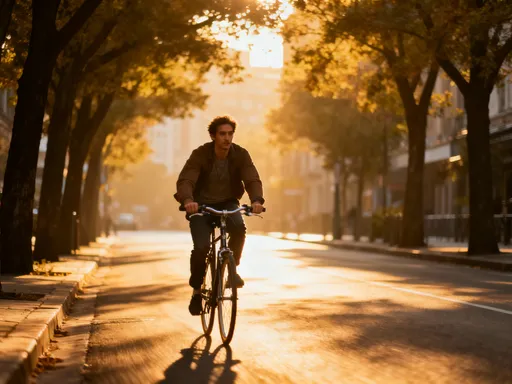
Imagine this: you’re stuck in traffic again, late for work, coffee spilling, stress rising. Now picture an alternative—gliding through quiet streets on a bike, sunlight breaking through trees, arriving calm and energized. Bike-sharing apps aren’t just about wheels; they’re quietly reshaping how we move, think, and feel each day. They’re not just tools—they’re tiny allies in the rhythm of real life, helping us reclaim time, energy, and even joy. And the best part? You don’t need to own a bike, store it, or worry about maintenance. Just tap, unlock, and go. It’s not magic—it’s smart design meeting real needs, and it might be the small change your morning has been waiting for.
The Daily Grind That Steals Our Spark
Let’s be honest—how many mornings start with a deep breath and a sense of calm? For most of us, the day kicks off with an alarm, a rush to get the kids fed and dressed, a scramble to pack lunches, and then… the commute. You step outside, already behind, and find yourself in the same old loop: cars honking, buses delayed, trains packed like sardines. You’re not just moving from point A to B—you’re battling noise, unpredictability, and a slow drain on your energy.
And it’s not just about being late. That 30-minute drive or crowded subway ride? It chips away at your focus, your mood, even your patience. By the time you reach your desk or your first meeting, you’ve already spent emotional reserves you can’t afford to lose. I remember those days—gripping the steering wheel, muttering under my breath, feeling like my morning was stolen before it even began. It wasn’t just tiring. It felt unfair.
But here’s what we often overlook: the commute isn’t neutral. It’s either draining us or preparing us. And when it’s the former, it sets the tone for everything that follows. We arrive frazzled, reach for that second cup of coffee not for pleasure but survival, and wonder why we can’t seem to get into flow. The truth is, our environment shapes our state of mind. And if your morning journey feels like a battle, your brain registers it as one. Stress hormones rise. Creativity dips. Joy evaporates. But what if it didn’t have to be this way?
Enter Bike-Sharing Apps: More Than Just a Ride
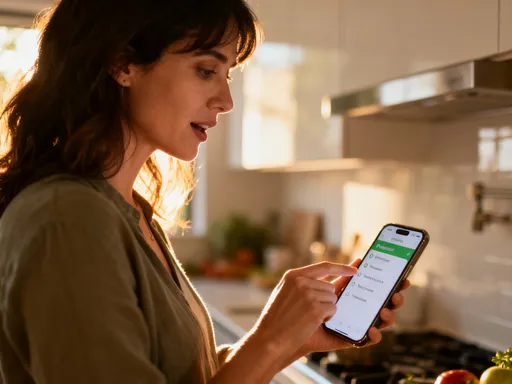
Now imagine stepping outside and seeing a row of sleek, ready-to-ride bikes parked neatly at a corner station. You open an app on your phone—simple, clean, familiar—and with one tap, a bike unlocks. No keys, no locks, no guesswork. You hop on, adjust the seat, and start pedaling. The city hums around you, but you’re no longer trapped in it. You’re part of it, moving with it, feeling the air, noticing the light, the sounds, the rhythm of your own breath.
This isn’t science fiction. It’s happening in cities around the world, and it’s changing how people experience their days. Bike-sharing apps like Lime, Bird, or local public programs aren’t just tech novelties. They’re redefining accessibility. You don’t need to invest in a bike, worry about theft, or figure out storage in a small apartment. The bike is there when you need it, and gone when you’re done. It’s transportation as a service—light, flexible, and human-centered.
And here’s the subtle magic: using one of these apps doesn’t feel like adopting new technology. It feels like making a small, intentional choice—one that puts you back in control. No more waiting for delayed buses or circling the block for parking. You decide when to go, where to go, and how fast. That sense of agency? It matters. It shifts your mindset before you even reach your destination. Instead of feeling like a passenger in your own life, you become the driver—literally and emotionally.
I remember my first real try. I was skeptical. Would I be out of breath? What if I got lost? What about my work clothes? But I gave it a shot—and within five minutes, I felt different. Lighter. More awake. The wind on my face, the sun on my arms, the quiet focus of pedaling… it was like my brain had hit a reset button. And that feeling? It stayed with me all morning.
How Two Wheels Reset Your Morning Energy
Here’s something science quietly confirms: movement changes your mind. You don’t need a 45-minute spin class to feel the effects. Even light physical activity—like a 15- to 20-minute bike ride—can boost blood flow to the brain, reduce cortisol (the stress hormone), and increase endorphins and dopamine. These aren’t just fancy terms. They’re the reason you feel clearer, calmer, and more alert after moving your body.
Think about it. When you’re sitting still—especially in a car or on a train—you’re in passive mode. Your body is idle, your mind wanders, and stress builds without an outlet. But when you pedal, even gently, you activate your nervous system in a healthy way. You’re not overexerting; you’re awakening. It’s like giving your brain a soft wake-up call instead of a jarring alarm.
And for many women in our 30s, 40s, and 50s, this shift is especially powerful. We’re often juggling so much—work, family, household, personal goals. Our energy is stretched thin. We don’t have time for long workouts or elaborate self-care routines. But a short bike ride? That’s doable. It’s efficient. It fits. And it delivers outsized benefits. One mom I spoke with in Portland said her 18-minute ride to work is now her daily meditation. “No apps, no mantras—just the sound of my wheels on the pavement and the trees passing by. I arrive centered. It’s the one part of my day that’s just mine.”
Another woman in Toronto told me she used to dread her commute. Now, she looks forward to it. “I leave the house stressed, but by the time I get to the office, I’ve already worked through half my to-do list in my head. The movement helps me organize my thoughts. It’s like my brain finally catches up with my life.” That’s not just anecdotal. Studies show that rhythmic, low-intensity exercise like cycling can enhance cognitive function, improve mood, and even support long-term brain health. So you’re not just getting to work—you’re arriving ready to work.
Reclaiming Time Without Adding Stress
Let’s talk about time—the one thing none of us can get more of. We all want to save it, but too often, the solutions add more pressure. Waking up earlier means less sleep. Driving faster means more risk. Public transit delays mean unpredictability. But bike-sharing offers a different kind of time-saving: one that’s reliable, stress-free, and often faster than you’d expect.
In many cities, short trips—under three miles—are often quicker by bike than by car, especially during rush hour. No traffic jams. No circling for parking. No waiting for the next train. You ride directly from point A to B, often using bike lanes or quiet streets that cars can’t access. And because the apps show real-time availability and estimated ride times, you can plan with confidence. No more guessing if the bus will be late. No more panic when the parking garage is full.
One teacher in Chicago told me she used to leave home 45 minutes before school just to account for traffic and parking. Now, she leaves 25 minutes before and bikes the 1.8 miles to her school. “I get there earlier, I’m not stressed, and I don’t have to pay $120 a month for a parking spot. Plus, I don’t have to drive home exhausted after a long day. I just drop the bike at a station near the school and take the train back when I want to.”
And that predictability? It’s priceless. When you know exactly how long your commute takes, you can trust your schedule. You can plan your mornings with calm, not chaos. You can enjoy that extra cup of coffee instead of gulping it down. You can walk the kids to the bus stop without rushing. That small buffer—the time you’ve reclaimed—becomes space for presence, for connection, for breathing. And isn’t that what we’re all really after?
Building Micro-Habits That Lead to Big Changes
Here’s a secret: big transformations rarely start with big actions. They start with small, repeatable choices—tiny habits that, over time, reshape your life. And biking to work a few times a week? That’s one of them. It’s not about becoming an athlete or going zero-carbon overnight. It’s about showing up for yourself, one pedal at a time.
When you choose the bike, you’re not just changing how you move—you’re reinforcing discipline, self-care, and intentionality. You’re saying, “I matter. My time matters. My well-being matters.” And that mindset spills over. Women who start biking regularly often find they’re more likely to make other healthy choices—eating better, moving more, sleeping sooner. It’s not perfection. It’s progress.
And let’s not overlook the environmental piece. Transportation is a major source of carbon emissions, and small shifts add up. One study found that if just 10% of short urban trips were made by bike instead of car, city emissions could drop significantly. You don’t have to save the planet in one go. But by choosing the bike when you can, you’re part of the solution. And that feels good—not in a performative way, but in a quiet, steady, “I’m doing my part” kind of way.
Plus, many bike-sharing apps now offer rewards, challenges, or carbon footprint trackers. They don’t push you. They nudge you. “You’ve saved 1.2 kg of CO2 this month.” “You’ve biked 27 miles—equivalent to 3 hours of TV time!” These little affirmations make the invisible visible. They turn your choices into stories of impact. And over time, that builds pride, motivation, and consistency.
Navigating the City Like a Local, Not a Tourist
There’s something special about seeing your city from a bike. When you’re in a car, the world blurs. You’re enclosed, separated, rushing past. But on a bike, you’re immersed. You notice the corner bakery with the chalkboard sign. The community garden tucked behind an old building. The mural on the side of a hardware store. These aren’t just sights—they’re connections. They remind you that you live here. That you belong.
Bike-sharing helps you rediscover your city not as a commuter, but as a resident. You start to learn the quiet routes, the shortcuts, the parks that aren’t on the main map. You find that coffee shop with the perfect outdoor table. You stumble upon a farmers market you never knew existed. These aren’t just conveniences—they’re moments of joy, surprise, and belonging.
One woman in Minneapolis told me she started biking to her daughter’s school drop-off and now knows half the neighborhood by name. “I wave to the woman who walks her dog every morning. I’ve chatted with the guy who runs the flower stand. I feel like I’m part of something, not just passing through.” That sense of community? It’s not built in big gestures. It’s built in small, repeated encounters—on sidewalks, at crosswalks, at bike racks.
And for many of us, especially as we get older, that connection matters. We crave meaning, rootedness, familiarity. We want to feel seen, not invisible. Biking helps us do that—not by trying, but by simply being present in our own neighborhoods. It turns the mundane into the meaningful. The commute into a journey.
Making It Work for Real Life: Simple Tips to Start and Stick With It
Now, I know what you might be thinking: “This sounds great, but what about my clothes? My hair? My safety? My route?” These are real concerns—and they’re totally valid. The good news? They’re also solvable.
Start small. Try it once a week. Pick a day when you don’t have back-to-back meetings. Wear what you’d wear for a walk—comfortable pants, breathable top, sneakers. Many apps now offer adjustable bikes, so you can find one that fits your height. Some even have baskets or cargo options for your bag or groceries.
Worried about helmets? Some cities provide them at stations, or you can keep a foldable one in your work bag. And if you’re not ready to bike the whole way, that’s okay. Combine it with public transit. Ride to the train station, lock the bike, and finish the trip by rail. Many apps integrate with transit maps, so you can plan mixed-mode trips seamlessly.
Safety first? Absolutely. Stick to bike lanes and low-traffic streets when possible. Use the app’s route suggestions—they often prioritize safer paths. And trust your instincts. If a route feels off, don’t take it. The goal isn’t speed—it’s peace of mind.
Dressing for work? Try riding in your clothes and seeing how it goes. You might be surprised. Or, keep a change of clothes at the office. Some women I’ve talked to wear a light jacket or scarf to protect from wind, then remove it when they arrive. Others time their ride so they have 10 minutes to freshen up before their first meeting. It’s not about perfection—it’s about making it work for you.
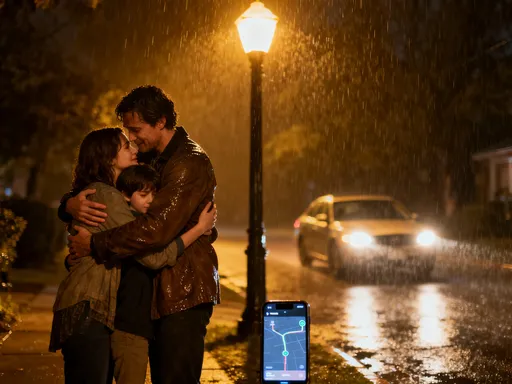
And if it rains? Most apps offer e-bikes now—light electric-assist bikes that make hills and wind much easier. They’re not cheating. They’re smart. They help you arrive on time, with less effort, even in less-than-ideal weather. And many cities are expanding covered parking and better routes, so it’s only getting easier.
Riding Into a Calmer, More Connected Life
At the end of the day, this isn’t really about bikes. It’s about how we want to live. Do we want to start each morning reacting—rushing, stressing, surviving? Or do we want to begin with intention—moving, breathing, arriving as our best selves?
Bike-sharing apps offer more than transportation. They offer a chance to reclaim your time, your energy, your attention. They invite you to slow down, to notice, to feel capable and in control. They turn a routine chore into a moment of renewal. And for women who give so much to others—our families, our jobs, our homes—this is a rare gift: a daily act of care that asks for nothing but a few minutes of your time.
It’s not about fitness. It’s not about trends. It’s about designing a life that feels lighter, more balanced, and more yours. Every time you choose the bike, you’re saying yes to yourself. Yes to calm. Yes to clarity. Yes to connection. And those small yeses? They add up to something beautiful.
So the next time you’re about to step into your car or board that crowded train, pause. Look around. Is there a bike nearby? Could today be the day you try something different? You might just find that the shortest route between two points isn’t just the fastest—it’s the one that brings you back to yourself.