From Tossing and Turning to Deep Sleep: The App That Changed My Nights
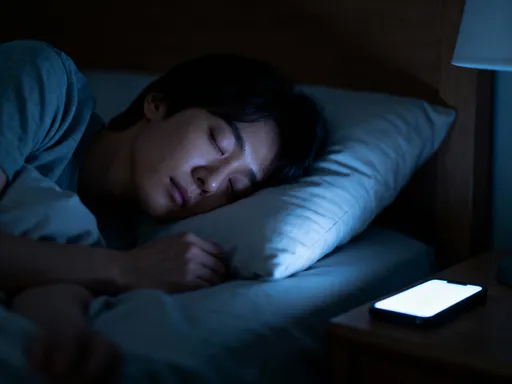
Imagine lying in bed, staring at the ceiling, while your mind races through tomorrow’s to-do list. You’re exhausted, but sleep feels impossible. I’ve been there—until a simple app helped me reclaim my rest, my energy, and even my mornings. It wasn’t magic, just smart, gentle guidance that fit into my real life. If you’re tired of counting sheep and still waking up drained, you’re not alone—and there’s a better way. This is not about extreme changes or complicated routines. It’s about finding small, kind solutions that work with your life, not against it. And for me, that solution came in the form of a quiet little app that changed everything.
The Night Struggles We Don’t Talk About
Let’s be honest—how many nights have you spent wide awake, heart pounding, thinking about a conversation from three years ago or a bill that’s due next week? I used to lie there, frustrated, watching the clock tick past 1 a.m., then 2 a.m., wondering why my body wouldn’t just shut down. I’d tell myself, "Just close your eyes," but my brain had other plans. It was like a never-ending loop of worries, memories, and mental to-do lists. And I know I’m not alone. So many of us suffer in silence, thinking we should just "get over it" or that we’re the only ones struggling. But poor sleep isn’t a personal failing—it’s a modern epidemic.
Our lives are full—kids, work, responsibilities, constant notifications. We carry stress into the bedroom without even realizing it. That last scroll through social media? It’s not just keeping your eyes open; it’s signaling your brain to stay alert. And the more we try to force sleep, the more it slips away. I remember nights when I’d finally drift off, only to wake up an hour later, heart racing, caught in a spiral of anxiety. Mornings became something I dreaded. I’d drag myself out of bed, relying on coffee to function, only to crash by 3 p.m. My patience was thin, my focus scattered. I wasn’t showing up as the mom, the partner, or the person I wanted to be. That’s when I realized: sleep isn’t just about rest. It’s about how we live our days.
What surprised me most was how little we talk about this. We share recipes, workout tips, even parenting hacks, but not the truth about lying awake, feeling defeated. There’s a quiet shame in admitting you can’t sleep, like you’re not strong enough or disciplined enough. But the truth is, it has nothing to do with strength. It’s about having the right tools. And for years, I didn’t. I tried everything—herbal teas, blackout curtains, meditation apps that felt too rigid or impersonal. Nothing stuck. Until one night, out of sheer exhaustion, I downloaded a sleep app on a friend’s recommendation. I didn’t expect much. But that small step opened a door I didn’t know was there.
How Sleep Apps Became My Unexpected Life Hack
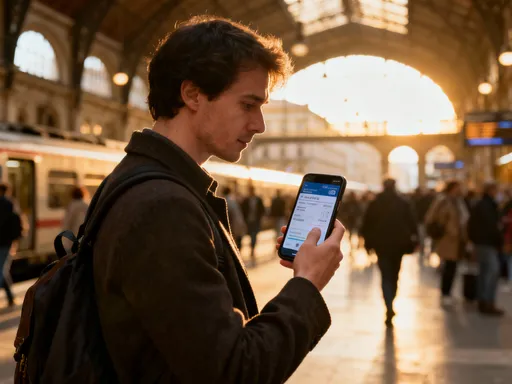
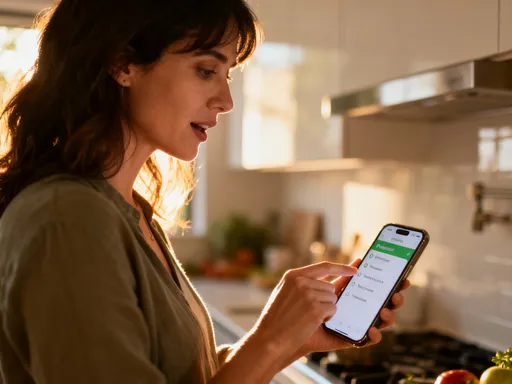
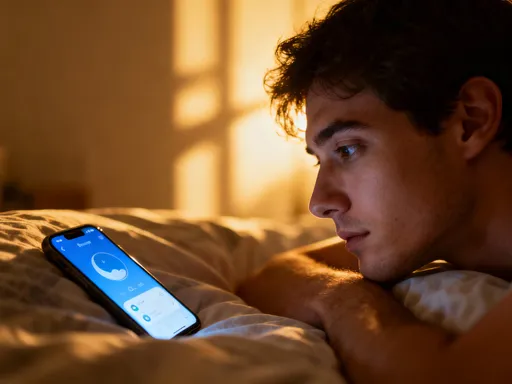
I’ll admit, I was skeptical at first. Another app? Really? My phone was already the reason I couldn’t sleep. But this one was different. Instead of demanding data or tracking my every breath, it felt… kind. It started with a simple question: "What’s on your mind tonight?" Just typing out a few worries—"Meeting tomorrow," "Did I pay the school fee?"—felt like handing them off to someone who’d hold them for me. Then it guided me through a five-minute breathing exercise, nothing fancy, just slow inhales and exhales with a calming voice. I remember thinking, "This is it?" But I did it. And for the first time in weeks, I fell asleep before my head stopped aching.
The next night, I tried it again. This time, it offered a short bedtime story—a gentle, voice-narrated tale about walking through a quiet forest. No plot twists, no drama, just soft words and a steady rhythm. I didn’t even finish it. I was asleep by the second paragraph. That’s when I started to believe something was shifting. It wasn’t that the app was fixing me; it was creating space. Space between my busy day and my quiet night. Space where I could let go, just a little. And the best part? It didn’t feel like work. I didn’t have to download extra gear or change my whole routine. I just used what I already had—my phone—but in a new, intentional way.
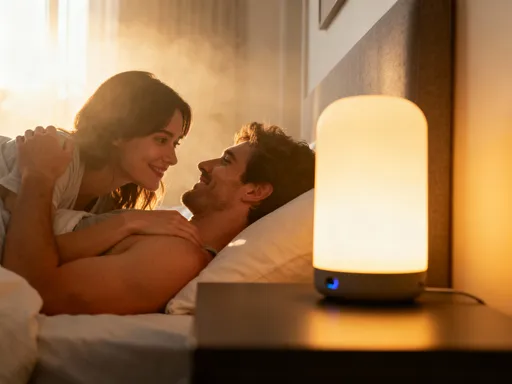
Over time, I began to look forward to bedtime. Not because I was suddenly a night owl, but because I knew I had support. The app sent a gentle reminder at 9 p.m.—not pushy, just a soft chime that said, "Time to wind down." I’d put the kids to bed, make a cup of chamomile tea, and sit with my phone for ten minutes. No emails, no news, just the app’s soothing presence. It became a ritual, not a chore. And slowly, my body started to recognize the signal: this is how we prepare for rest. I wasn’t just using technology—I was using it to reconnect with myself. That’s the magic most people miss. It’s not about the app itself. It’s about what it helps you create: peace, routine, and a little more care for the person you are.
Beyond Lullabies: What These Apps Actually Do
You might think a sleep app is just a playlist of nature sounds or a digital version of counting sheep. But the ones that really work go much deeper. They’re not trying to knock you out—they’re helping you slow down. Think of it like having a wise friend who knows exactly what you need each night. Some evenings, it’s a guided meditation that walks you through releasing tension from your toes to your forehead. Other nights, it’s a breathing exercise that syncs with a pulsing light on your screen, helping your heart rate slow naturally. And yes, there are bedtime stories—but not the kind you remember from childhood. These are written for adults, with calming themes like walking through a quiet garden or sailing on a still lake. The voice is soft, steady, and never rushed.
What makes these tools powerful is how they meet you where you are. On a stressful night, the app might suggest a journaling prompt: "Write down one thing you’re letting go of tonight." It’s not about writing a novel—just a sentence or two. But that tiny act can move a worry from your mind to the page, where it feels smaller, more manageable. On a calmer night, it might offer a short gratitude reflection: "Name three small things that went well today." These aren’t gimmicks. They’re based on real psychology—how our thoughts affect our nervous system, how ritual helps signal safety to the brain. And the app adapts. If you skip a night, it doesn’t scold you. If you’re restless, it offers longer sessions. It’s flexible, not rigid.
One feature I didn’t expect to love was the wind-down plans. Instead of one-size-fits-all, the app builds a short routine based on your habits. For me, it paired a breathing exercise with a five-minute body scan and a short story. I could choose the length—10, 15, or 20 minutes—so it fit my schedule. I started doing this even on nights when I felt tired, because it felt like a gift to myself. And here’s the thing: it replaced my late-night scrolling. Instead of doomscrolling through the news or checking work emails, I had a better habit waiting. That shift alone made a huge difference. I wasn’t just falling asleep faster—I was protecting my mental space. The app didn’t fix my life, but it gave me a way to step back from the noise, even for ten minutes.
Small Changes, Big Shifts in Daily Energy
The first real sign that this was working wasn’t that I slept more—it was how I felt when I woke up. I used to hit snooze five times, dreading the day. Now, I still use the alarm, but I don’t fight it. I open my eyes, take a deep breath, and get up. No grogginess, no mental fog. And that small change rippled through everything. Mornings with my kids became calmer. I wasn’t snapping over spilled cereal or slow shoe-tying. I had patience. I had presence. I even started making breakfast again instead of grabbing a granola bar on the go.
At work, I noticed I could focus for longer stretches. I wasn’t zoning out during meetings or forgetting what I walked into a room for. My mind felt clearer, sharper. I made better decisions—like saying no to an extra project I didn’t have time for, or finally scheduling that doctor’s appointment I’d been putting off. Rest gave me clarity. And with clarity came confidence. I started trusting myself more. When you’re well-rested, you don’t feel so overwhelmed by life’s little challenges. They don’t spiral into catastrophes in your mind. You handle them, one at a time.
But the biggest shift was emotional. I felt more like myself. I laughed more. I listened better. I wasn’t carrying that low hum of anxiety all day. My relationships improved—not because I changed the people around me, but because I showed up differently. I had more energy to be present, to really hear my partner, to play with my kids without checking my phone. And that made me want to protect my sleep even more. It wasn’t just about feeling less tired. It was about living more fully. I realized that rest isn’t passive. It’s active care. It’s the foundation that lets everything else grow. And for the first time in years, I was building that foundation every single night.
Making It Stick: Building a Realistic Routine
Now, I won’t pretend it was perfect from day one. There were nights I forgot to open the app. Nights when the kids were sick, or I had a deadline, and I stayed up late. And that’s okay. The key wasn’t perfection—it was consistency. What helped me stick with it was making the routine feel natural, not forced. I paired the app with things I already enjoyed—like a warm cup of tea or putting on my favorite soft pajamas. It became part of my self-care, not another task on the list.
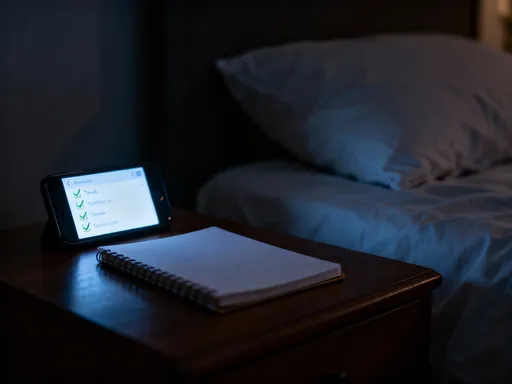
I also set a "phone bedtime" for myself—30 minutes before I wanted to sleep, I’d plug my phone in across the room to charge. That way, after my wind-down session, I wasn’t tempted to pick it up again. I kept a book on my nightstand as a backup. And I talked to my partner about it. He started doing his own version—listening to a short meditation on his tablet. We didn’t do it together, but knowing he was also winding down made it feel more normal, more doable. We even joked about it—"Are you in your wind-down zone?"—which made it feel lighter, less serious.
When I slipped up, I didn’t beat myself up. I just started again the next night. The app helped with that too—it didn’t show me a red streak of missed days. It just said, "Welcome back. Let’s try again." That small kindness made all the difference. Over time, the routine became automatic. I didn’t have to think about it. I just did it. And that’s when the real change happened. It wasn’t the app alone—it was the habit, the ritual, the daily choice to care for myself. And that choice added up, night after night, into a life that felt more balanced, more peaceful, more mine.
When Tech Meets Heart: Why It Feels Different This Time
I’ve tried other apps before—fitness trackers that nagged me for steps, meditation apps that felt too clinical, sleep monitors that gave me numbers I didn’t understand. They made me feel judged, like I was failing if I didn’t meet some invisible standard. But this sleep app? It felt different. It didn’t care if I slept eight hours or six. It didn’t shame me for waking up in the middle of the night. Instead, it said things like, "It’s okay. Let’s try again tonight," or "You’re doing great just by showing up." That tone—gentle, supportive, human—was everything.
What I’ve learned is that the best technology doesn’t try to fix us. It meets us with compassion. It understands that life is messy, that we’re tired, that we’re doing our best. And it offers help without pressure. This app didn’t demand change. It invited it. It gave me tools, not rules. And because it felt kind, I trusted it. I listened. I stayed. That’s the power of design with heart. It’s not about features or data points. It’s about how it makes you feel. And this one made me feel seen, supported, and capable.
That’s why it worked when other things didn’t. Past attempts failed because they felt like another chore, another thing to get right. This felt like a gift. And that shift in mindset— from "I have to do this" to "I get to do this"—changed everything. I wasn’t fixing a problem. I was giving myself care. And that made all the difference. Technology, at its best, shouldn’t feel cold or complicated. It should feel like a quiet hand on your shoulder, saying, "You’ve got this. Let me help." That’s what this app became for me. Not a gadget. Not a tracker. A companion.
Sleeping Better, Living Fuller: The Ripple Effect
Looking back, I see now that better sleep didn’t just change my nights. It changed my life. I have more energy, yes, but more than that—I have more joy. I’m present in moments I used to rush through. I savor my morning coffee. I really listen when my daughter tells me about her day. I have the mental space to dream again, to plan, to hope. I’m not just surviving. I’m living.
And I’ve learned that rest is not selfish. It’s necessary. It’s how we refill our cup so we can give to others without running on empty. When I take care of myself, I show up stronger—for my family, my work, my community. I’m more patient, more creative, more resilient. That’s the ripple effect of a good night’s sleep. It starts small, in the quiet of your bedroom, but it spreads into every part of your day.
The app didn’t solve all my problems. Life is still busy. There are still stressful days and late nights. But now I have a tool, a routine, a way back to calm. And that makes all the difference. I don’t see it as a quick fix. I see it as a practice—a daily act of kindness toward myself. And in a world that never slows down, that might be the most powerful thing we can do. So if you’re lying awake tonight, feeling alone in your struggle, know this: you’re not broken. You just need the right support. And sometimes, that support comes in the form of a simple app with a big heart. Small tech. Big change. Real rest. And from that rest, a fuller, brighter life begins.