Tired of missing family moments? This simple digital space changed how we stay close
Life gets busy, and staying truly connected with loved ones can feel harder than ever. You’re not alone if you’ve missed a birthday, lost a precious photo, or felt out of the loop with distant relatives. But what if there was a simple, everyday way to keep everyone together—no matter where life takes you? I discovered a small change that made a big difference, and it’s not about more screen time. It’s about better connection. This isn’t about flashy gadgets or complicated apps. It’s about creating a quiet, warm corner online where your family can just *be*—where love lives in photos, voice notes, and shared updates, not behind passwords or algorithms.
The Moment I Realized We Were Drifting Apart
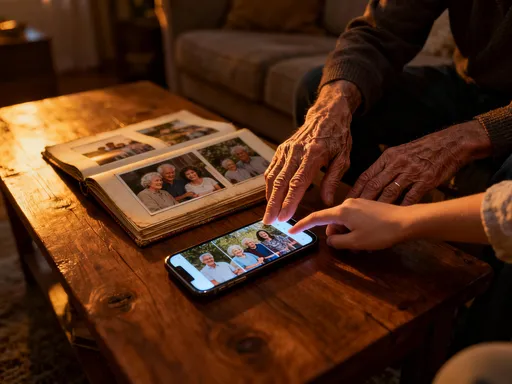
It hit me during a quiet evening, flipping through old photo albums with my daughter. We came across a picture of my cousin’s wedding—her in a soft pink dress, laughing under string lights. My daughter looked up and asked, ‘Why don’t we see her anymore?’ And I didn’t have a good answer. I realized it had been over two years since we’d spoken. Not because we didn’t care, but because life had simply pulled us in different directions. Work, school, appointments, and the endless to-do lists had quietly taken over. We weren’t avoiding each other—we were just too busy to stay close.
That moment shook me. I started thinking about all the other things we’d missed. My nephew’s first soccer game, shared only in a fleeting text. My aunt’s birthday, forgotten because it wasn’t on my calendar. Photos of my mom’s garden—beautiful, blooming shots—lost when her phone broke. These weren’t just missed events; they were missed chances to say, ‘I see you. I’m here. You matter to me.’ The truth was, we were all trying to do our best, but we were doing it in isolation. We had phones, messaging apps, social media—but none of it felt like *us*. It felt scattered, impersonal, and often overwhelming.
I began to wonder: if technology can connect strangers across the world, why can’t it help the people we love most feel closer? Why were we using tools built for likes and followers to try to maintain the most important relationships in our lives? That’s when I started looking for something different—not another app to add to my phone, but a real solution that could grow with us, adapt to our rhythms, and feel like home.
What Is a Family Digital Space—And Why It’s Not Just Another App
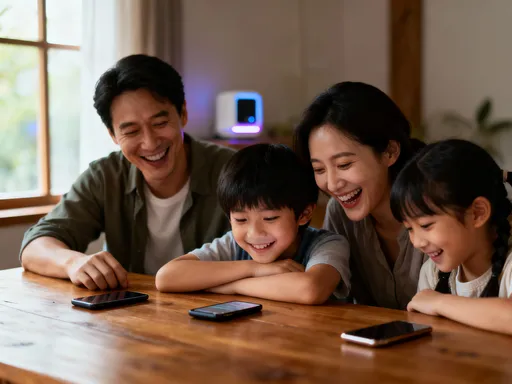
At first, I thought I just needed a better way to share photos. But what I found was much bigger: a family digital space. Think of it as your own private corner of the internet, built just for your family. No ads, no algorithms deciding what you see, no pressure to post perfectly curated moments. Just a calm, safe place where photos, videos, voice messages, calendars, and notes come together in one shared environment.
This isn’t social media. On platforms like those, your cousin’s update might get buried under a flood of ads or influencer content. Here, it’s different. When your sister shares that her baby took her first steps, it shows up clearly—no scrolling, no searching. When your dad leaves a voice note about his morning walk, it’s right there, warm and personal, not lost in a text chain. It’s designed to feel human, not like a digital chore.
And it’s not just cloud storage, either. Sure, you can save files, but this is about more than backup. It’s about connection. A family digital space turns scattered moments into a shared story. It’s where your teenager’s art project lives beside your grandmother’s recipe for apple pie. Where your son’s school play video plays right after your brother’s hiking trip photos. It’s not about tech skills or fancy devices—it’s about presence. It’s about making sure no one feels left out, even if they live miles away.
The most beautiful part? It grows with you. You don’t need to get it perfect on day one. You start small—a photo, a message, an event on the calendar—and over time, it becomes something alive, something that breathes with your family’s rhythm. It’s not another thing to manage. It’s a helper, quietly holding your memories and moments so you can focus on what really matters: being together.
How Our Family Found Its Rhythm with One Shared Timeline
Before we had our digital space, keeping up with family felt like playing catch-up. Someone would mention a trip they’d taken months ago, and I’d realize I hadn’t known about it. Birthdays would slip by. School events would be missed. It wasn’t from lack of love—it was from lack of a simple, shared way to stay in the loop.
Then we created a shared timeline. Imagine a single, scrolling page where every family member can add updates—big or small. A graduation, a new job, a dog’s birthday, a quiet Sunday morning coffee. No rules, no pressure. Just life, unfolding in real time. The first few weeks were slow. I added a photo of my garden. My brother posted a video of his daughter’s dance recital. My mom shared a voice note saying she’d made soup and wished we were there.
But something beautiful started to happen. People began checking in—not because they had to, but because they wanted to. My niece started adding drawings with captions like ‘This is my teacher, Mrs. Lopez!’ My cousin, who lives overseas, began posting short videos of her city, saying, ‘This is where I walk every morning.’ We weren’t just sharing events—we were sharing pieces of our days, our hearts.
The shared timeline became our family’s heartbeat. It wasn’t perfect—some weeks were quiet, others full of updates—but it was real. And because it was private, people felt safe being themselves. No filters, no performance. Just life as it happens. My teenage son, who rarely talks about his day, once posted a photo of his lunch with the caption ‘Taco Tuesday = winning.’ It made us all laugh, and for me, it was a window into his world I wouldn’t have had otherwise.
Now, when I wake up, I often check the timeline with my morning tea. It’s become a ritual—a small moment of connection before the day begins. And when we finally reunite in person, the conversations flow easier because we’ve already been part of each other’s lives, even from afar.
Turning Memories into Moments That Stick
One of the most painful things is losing memories. I’ll never forget the day my mom’s phone died, and with it, hundreds of photos of my kids when they were little. There was no backup, no way to recover them. Just silence where laughter used to be. That loss stayed with me. I didn’t want that to happen again—not to me, not to anyone in my family.
That’s why one of the most powerful features of our family digital space is how it preserves memories. Photos and videos are automatically backed up when shared. Voice notes stay saved, clear and warm. Even short messages—like ‘Had a tough day, but the sunset was beautiful’—are kept, becoming part of our family’s story. It’s like having a living scrapbook, one that grows on its own.
But it’s not just about saving files. It’s about making memories *feel* alive. Last month, my daughter found a voice note I’d recorded during her first week of school. I was tired, a little overwhelmed, and I said, ‘She did great today. I’m so proud of her.’ Hearing that again—months later—made me cry. It wasn’t a posed photo or a highlight reel. It was real. And it reminded me of a moment I’d almost forgotten.
We’ve started using the space to mark small traditions too. Every December, we upload photos from our holiday cookie baking. Every summer, we add videos from our family picnic. These aren’t grand events, but they’re ours. And now, they’re safe. My kids can look back and see how Grandma’s hands moved as she rolled out dough, or hear my brother’s laugh when the dog stole a sandwich. These aren’t just digital files—they’re emotional anchors.
And the best part? It happens without extra effort. We don’t have to remember to back up or organize. The system does it quietly in the background. We just live, and the memories are kept. It’s not about capturing perfection—it’s about honoring the real, messy, beautiful moments that make up a family.
Making It Work for Everyone—Even the Tech-Wary
I’ll be honest—I was worried about getting my parents on board. My mom still calls every app a ‘website,’ and my dad once unplugged the router because he thought it was ‘overheating.’ I didn’t want this to become another source of stress or frustration. But what I learned is that the right tools aren’t about tech skills—they’re about design. They’re built for people, not engineers.
We started simple. I set up the space and sent them a link with a handwritten note: ‘Click here to see family photos.’ No passwords, no setup. Just one tap, and they were in. I showed my mom how to tap a button to record a voice message. She said, ‘Like a tape recorder?’ I said, ‘Exactly like that.’ And she smiled. The first time she left a note—‘Made your favorite soup today, wish you were here’—I played it three times.
For my dad, I showed him how to add a photo. ‘Just like sending a picture in a text,’ I said. He did it—blurry, off-center, but full of heart. It was a shot of his tomato plants, and he’d titled it ‘Winning this year.’ That photo became one of our favorites.
We also used gentle reminders. If someone hadn’t checked in for a while, the system would send a soft nudge: ‘Your family misses your updates.’ Not pushy, not demanding—just kind. And we encouraged small steps. You don’t have to post every day. You don’t have to write paragraphs. A photo, a voice note, a single sentence—that’s enough.
Now, my mom checks the space every morning with her coffee. My dad adds garden updates like a proud farmer. My niece draws pictures and scans them in. It’s not about being tech-savvy. It’s about feeling included. And that’s the real win—not that everyone uses it perfectly, but that everyone can be part of it, exactly as they are.
The Unexpected Gift: Stronger Bonds Without More Effort
Here’s what I didn’t expect: this space didn’t just help us share updates—it helped us *know* each other better. I learned my cousin volunteers at an animal shelter. I discovered my nephew loves baking. I heard my sister laugh in a voice note after a long day, and it reminded me how much I miss her voice.
And the conversations started flowing naturally. After seeing my mom’s soup post, my brother called her to ask for the recipe. My daughter sent a voice reply to her grandma: ‘Can we make it together next time?’ These weren’t forced check-ins. They were organic, warm, and full of care. The space didn’t replace real connection—it deepened it.
We even planned a surprise reunion because we saw, on the timeline, that everyone was free the same weekend. No endless group texts, no confusion. Just a quick message: ‘Let’s all come home.’ And we did. When we hugged at the door, it didn’t feel like we’d been apart for months. It felt like we’d been together all along.
That’s the magic. Staying close doesn’t have to be hard. It doesn’t require grand gestures or perfect timing. It can be as simple as a shared photo, a voice note, a calendar invite. When these small things add up, they create something powerful—a sense of belonging, a thread that holds you together, no matter where life takes you.
And for me, the biggest gift has been peace. I no longer worry that I’m missing out. I don’t fear that memories will be lost. I know that even on quiet days, love is still flowing—through screens, through voices, through shared moments. We’re not just staying connected. We’re building something that will last.
How You Can Start Small and Grow With It
If you’re thinking about trying this, I’ll say this: start small. You don’t need to invite everyone on day one. You don’t need to post a dozen photos. Just pick one person—maybe your mom, your sister, your child—and share one memory. A photo from last summer. A voice note saying good morning. An event on the calendar: ‘Family dinner at 6.’
Choose a secure, private platform—one that doesn’t sell your data or show ads. Look for one that’s simple to use, with voice options, easy sharing, and automatic backup. Invite your first person with a personal message, not a link in a text. Say, ‘I made a little space for us. Would you like to see it?’
Be patient. Not everyone will jump in right away. Some might need a few tries. That’s okay. Keep sharing, even if it feels like you’re talking to yourself at first. Consistency matters more than perfection. Over time, others will notice. They’ll feel the warmth, the safety, the love in what you’re building.
And remember: this isn’t about technology. It’s about heart. It’s about saying, ‘You’re important to me. I want to stay close.’ Every photo, every message, every shared moment is a quiet act of love. It’s not flashy. It doesn’t go viral. But it lasts. It holds your family together, one small, beautiful moment at a time.