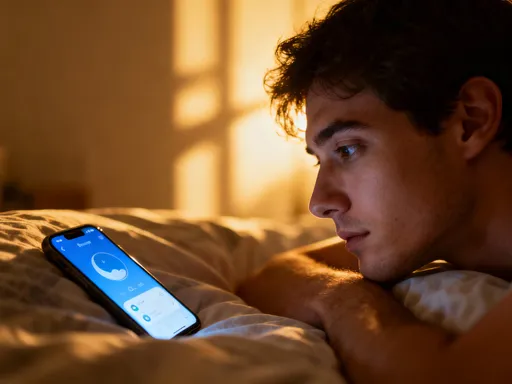
From Doubt to Dependence: How a Simple App Transformed Our Friendship and Growth Journey
You know that friend who always has their life together? The one who remembers every deadline, hits the gym regularly, and somehow still finds time to text you back? I used to envy mine—until we started using a little self-improvement app together. What began as a silly experiment became a lifeline, quietly reshaping how we support each other, stay on track, and grow—without the pressure, guilt, or chaos. It wasn’t about becoming perfect. It was about showing up, even when we didn’t feel like it. And in a world full of flashy tools that promise everything and deliver stress, this small, steady app gave us something rare: consistency, connection, and the quiet confidence that we’re not alone in trying to be a little better each day.
The Moment We Hit “Start” – A Skeptical Beginning
Let’s be honest—neither of us was looking for a miracle. Sarah and I have been friends since college, the kind who’ve seen each other through breakups, career changes, and the exhausting juggle of raising kids while holding down full-time jobs. We didn’t need another thing to manage. So when she texted me one rainy Tuesday with a screenshot of an app called DailyGlow—yes, that’s the real name, and yes, it sounds like something from a wellness influencer’s dream—I groaned out loud. “Another app?” I typed back. “I can barely remember to water my plants.”
But Sarah wasn’t pushing it like usual. She said she’d been using it for two weeks, not for big transformations, but just to remember her morning stretch and drink more water. No points, no badges, no leaderboard. Just a soft chime at 8 a.m. that said, “Hey, don’t forget to breathe.” That’s what got me. Not the feature, but the tone. It didn’t scold. It didn’t shame. It felt like a nudge from someone who actually cared. So, over coffee one Saturday, we both downloaded it. We set up tiny goals—mine was to walk 10 minutes a day, hers was to write in a gratitude journal. Nothing heroic. And we linked our accounts, not because we thought it would change our lives, but because it felt like a small promise: I’ll keep an eye on you, if you’ll keep an eye on me.
That moment—clicking “Start” together—wasn’t dramatic. No music swelled. No fireworks. But looking back, it was one of those quiet turning points. We weren’t fixing anything broken. We were just tired. Tired of forgetting our intentions. Tired of making promises to ourselves we couldn’t keep. And in that low-stakes decision—to try something small, together—we gave ourselves permission to grow without pressure. The app didn’t demand perfection. It just asked us to show up. And somehow, that was enough to begin.
More Than a To-Do List – Building a Shared Language of Growth
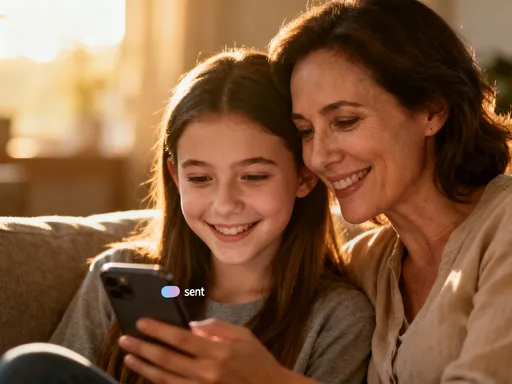
At first, it really was just a to-do list. I’d check off my 10-minute walk, Sarah would log her journal entry, and that was that. But within a few weeks, something shifted. The app started to feel less like a tracker and more like a bridge. See, it had this simple feature: when your friend completes a goal, you get a tiny notification—just a soft pulse on your phone with their name and a little star. No fanfare. But every time I saw Sarah’s name light up, I smiled. It wasn’t about the journal. It was about knowing she was doing her thing. And when I got my own star from her, I felt seen. Not praised. Not judged. Just noticed.
We started using it as a kind of code. “Did you do your thing today?” became our go-to text. It wasn’t about accountability in a strict sense—no one was policing anyone. It was about connection. That little checkmark wasn’t just a task completed; it was a quiet “I’m here.” I remember one morning I was running late, stressed about a work deadline, and I almost skipped my walk. But then I opened the app and saw Sarah’s check-in from that morning. She’d written a two-line note: “Today feels heavy. But I showed up.” I read that and thought, If she can do it, so can I. So I laced up my shoes and walked around the block, phone in hand, feeling lighter with every step.
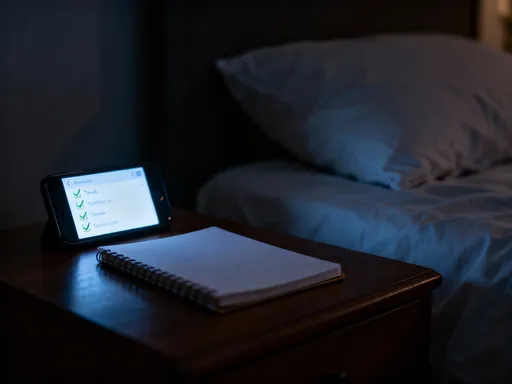
The app’s design helped. It wasn’t flashy. No neon colors, no pushy messages. Just clean lines, soft colors, and a timeline that showed our progress side by side. We could leave little notes—“You’ve got this!” or “Rainy day walk = extra brave”—and they’d pop up when the other person logged their goal. It turned personal growth into something we nurtured together, like tending a garden we both cared about. And the best part? It didn’t require long conversations or heavy emotional labor. It was just there, quietly holding space for us to grow—not alone, but side by side.
When Life Got Hard – The App That Didn’t Quit
Then came the fall when everything felt like too much. Sarah’s mom got sick, and she was flying back and forth between cities, trying to work full-time and be present for her family. I was dealing with a project at work that never seemed to end, and my youngest was going through a rough patch at school. We both stopped calling. Stopped texting. The kind of silence that used to worry me—did I say something wrong? Did she forget me?—but this time, I knew. We were just drowning.
And yet, the app kept working. I didn’t message her. She didn’t message me. But every few days, I’d see a check-in. A single star. Sometimes it was just “Drank water.” Other times, “Sat outside for five minutes.” No notes. No fanfare. But each one felt like a lifeline. I remember one night, I was up late, stressed and scrolling, and I saw her notification: “Went to bed before 11.” That’s it. But I nearly cried. Because I knew what that meant. It meant she was fighting. It meant she hadn’t given up. And so I opened the app and logged my own tiny win: “Didn’t eat the whole box of cookies.” I left a note: “Proud of us.”
The app didn’t fix anything. It didn’t bring her mom back to health or make my work easier. But it gave us a way to stay connected when we had no energy for words. It was there when motivation was gone, when guilt was high, when we both felt like failures. And because it was simple—no updates, no bugs, no confusing menus—it never added to the stress. It just worked. Like a friend who shows up with soup, sits quietly on the couch, and doesn’t expect you to perform. In a time when everything felt unstable, the app was steady. And that steadiness became its own kind of comfort.
Stability as Support – Why Predictability Felt Like Care
I’ve tried other apps. You probably have too. The ones that promise to change your life in 30 days. The ones that send you five notifications an hour. The ones that crash when you need them most. I remember one fitness app that reset my entire progress because I missed three days in a row. Three days! I felt like I’d failed a test I didn’t sign up for. Another one kept changing its interface—buttons moved, features disappeared, and I spent more time figuring out how to use it than actually doing the thing.
That’s why DailyGlow felt different. It didn’t try to be everything. It didn’t surprise us. It didn’t demand more than we could give. It was predictable. Every morning, the same gentle chime. Every evening, the same simple screen. No tricks. No drama. And that predictability—oddly enough—felt like care. It reminded me of my grandmother’s house, where the light in the hallway was always on, just bright enough to see the stairs. It wasn’t flashy. It wasn’t loud. But it was there, every night, without fail. That light didn’t solve my problems. But it made the dark less scary.
The app became that light. Knowing it would work, knowing it wouldn’t judge, knowing it wouldn’t disappear—those small certainties added up. They reduced the mental load. I didn’t have to decide when to check in. I didn’t have to remember the rules. I just opened it, saw Sarah’s progress, left a note if I felt like it, and moved on. And in that simplicity, I found space. Space to be tired. Space to be imperfect. Space to be honest. Because when the tool doesn’t demand performance, you can finally admit, “I’m struggling.” And when your friend sees that check-in—“Walked around the living room five times”—and replies with a single heart, it says, “I see you. I’m here.” That’s not tech. That’s trust. And trust is built not in grand gestures, but in small, steady acts of showing up.
Growing Side by Side – The Quiet Power of Shared Progress
One of the biggest surprises? We stopped comparing. Early on, I worried about that—what if she’s doing better than me? What if I fall behind? But the app didn’t encourage competition. It didn’t rank us. It didn’t show who had more streaks or higher scores. It just showed our paths, side by side, like two parallel lines on a quiet road. And over time, I started to root for her—not out of obligation, but out of joy.
I remember the day she hit 50 days of journaling. I was at the grocery store, and her notification popped up. I actually whispered, “Yes!” and got a weird look from the woman next to me. I texted her: “50 days! That’s amazing!” And she wrote back, “I almost quit a dozen times. But seeing your walks every day made me think, If she can keep going, so can I.” That hit me right in the heart. We weren’t racing. We weren’t trying to outdo each other. We were just two women, showing up for ourselves, and in doing so, giving each other permission to do the same.
There’s something powerful about witnessing growth in someone you love. It changes how you see yourself. When I saw Sarah keep going—even on days she wrote, “Today, I just breathed”—I thought, Maybe I can do that too. Maybe showing up doesn’t have to look perfect. Maybe it’s enough to just be there. And that shift—from competition to companionship—was everything. We weren’t chasing some ideal version of ourselves. We were becoming more real. More honest. More kind—to ourselves and to each other.
Beyond the Screen – How the App Changed Our Real-World Connection
Here’s the thing I didn’t expect: the app didn’t keep us on our phones. It brought us back to each other in real life. Before, our texts were often surface-level: “How are you?” “Fine.” “Busy?” “So busy.” But now, our check-ins gave us real things to talk about. I’d see she’d logged a tough day and text, “Want to talk?” Or she’d notice I hadn’t checked in and call, “Hey, you okay?” It wasn’t surveillance. It was care with context.
We started meeting for coffee more often. Not because we had to, but because we wanted to. And the conversations were deeper. One day, after she logged a goal called “Said no to extra work,” we sat at our favorite café and talked for an hour about boundaries, guilt, and the pressure to always say yes. That conversation never would’ve happened before. We would’ve smiled, complained about being busy, and gone home. But the app gave us a starting point. It handled the small things—reminding us to stretch, drink water, breathe—so we had more energy for the big things: honesty, empathy, real support.
And here’s the truth: the app didn’t replace our friendship. It protected it. In a world that pulls us in a hundred directions, it created a tiny ritual that kept us connected. It didn’t automate care. It made space for more of it. Because when the little things are taken care of—when you know your friend remembered to eat lunch because the app reminded her—you can focus on what really matters: being there, fully, when it counts.
The Unlikely Anchor – Why We Still Use It, Every Single Day
It’s been over a year now. We still use DailyGlow. Not every feature. Not every day. But most days, we check in. Sometimes it’s a walk. Sometimes it’s just a breath. And every time I see Sarah’s name on my screen, I feel that quiet warmth—the kind that comes from knowing someone is in your corner, even when life is loud.
I won’t pretend it’s magic. It’s just an app. But it’s one that respects us—our time, our limits, our friendship. It doesn’t demand more than we can give. It doesn’t disappear with a software update. It doesn’t make us feel bad for slowing down. And because of that, it earned our trust. Its greatest feature wasn’t the reminders or the notes or the timeline. It was the space it created—a soft, steady space where we could grow without fear, stumble without shame, and show up—again and again—for ourselves and for each other.
So if you’re skeptical, I get it. I was too. But maybe try this: find one small thing you want to do for yourself. And invite someone you care about to do it with you—not to compete, not to fix anything, but just to show up. Let a simple tool hold the space between you. Because sometimes, the most powerful technology isn’t the one that changes the world. It’s the one that helps you change your day. And in doing so, reminds you that you’re not alone. That someone is watching. Someone cares. And sometimes, that’s enough to keep going.