More than security: How smart locks quietly expanded my circle and peace of mind
You know that moment when you're at work, and your mom calls because she’s at your front door with cookies—but you’re stuck in meetings? That used to stress me out. Then I got a smart lock. It didn’t just stop me from losing keys—it changed how I share access, trust, and time. Suddenly, letting my sister in for her yoga mat or giving my best friend’s kid a shortcut through my yard felt safe and simple. It’s not magic. It’s just tech that finally fits real life. And honestly, I didn’t expect it to shift so much more than my front door. It opened up my home, yes—but more importantly, it opened up my heart to saying yes more often, without worry.
The Key Problem Nobody Talks About
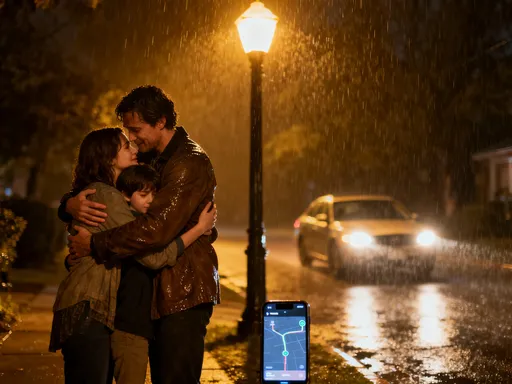
Let’s talk about keys—the ones jingling in your pocket, the spare tucked under the flowerpot, the one you hand over with a little hesitation. We treat them like tiny guardians of safety, but I’ve come to see they’re also tiny gatekeepers of connection. I used to think losing a key was just an inconvenience. Then one rainy Tuesday, I was stuck at a school volunteer meeting when my neighbor called. Her daughter had forgotten her flute for band practice, and they needed to grab it from their house. But my neighbor had given me the only spare key—and I was across town.
I remember the panic in her voice. "I hate to ask, but can you come home? Just for a minute?" I looked at the clock—no way I could make it in time. I felt helpless. Eventually, she resorted to asking her teenage son to climb through the doggy door. He made it, but soaked and scratched, and I felt guilty for days. That was the moment I realized: keys aren’t just about security. They’re about access—and when access is rigid, life gets harder.
How many times have we canceled plans because someone couldn’t get in? Or made a special trip just to let a cleaner in? Or worse—left a spare key with someone and then worried about it for weeks? The emotional toll is real. It’s the anxiety of being the bottleneck in someone else’s day. It’s the guilt when you can’t help, even when you want to. Traditional locks make us feel in control, but in truth, they often make us prisoners of our own schedules. I started wondering: what if there was a way to keep my home safe while also making it more flexible? More human?
First Glimpse of a Smarter Way
I first saw a smart lock at a friend’s house during a weekend brunch. She tapped her phone, and the door clicked open. No key, no fuss. I’ll admit, my first thought was, "That’s cool, but way too techy for me." I pictured complicated setups, glitchy apps, and passwords I’d forget by Tuesday. But then she mentioned something that hit close to home: her cousin had just had a baby, and the pediatrician made home visits the first few weeks. Instead of racing back from work every time, she could just send a temporary code. "It’s like handing over a key without actually handing over a key," she said.
Suddenly, it wasn’t about gadgets. It was about care. About being able to support people without upending your own day. I started thinking about my own life—my aging dad who sometimes needed to drop off groceries, my sister who’d borrow my exercise bike on weekends, the dog walker who came twice a week. What if I could make all of that easier? Not just for me, but for them?
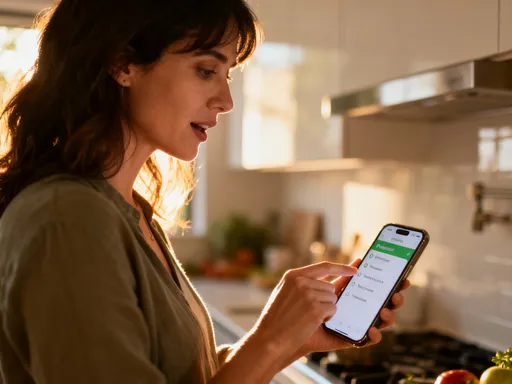
So I did something I rarely do—I watched a setup video. And honestly? It took less than 20 minutes. I replaced the inside part of my deadbolt, synced it with an app I already had on my phone, and created my first access code. No drilling, no electrician, no stress. The hardest part was choosing a strong password—which, let’s be real, I still need help with. But once it was up, I tested it ten times. Every time, it worked. And that first time I let my best friend in while I was still at the grocery store? I got a text: "You’re a lifesaver." That’s when it clicked: this wasn’t about tech. It was about trust. And I was giving it in a smarter way.
Learning Without Frustration: My Mom’s Test
If there’s one person who defines "not a tech person," it’s my mom. She’s brilliant—raised three kids, ran a small business, knows how to fix a clogged sink with a rubber glove and a pot of boiling water. But smartphones? She uses hers for calls, photos, and the occasional weather check. So when I told her I wanted to show her how to use my smart lock, she laughed and said, "Don’t waste your breath, honey. I’ll just keep knocking."
But I was determined. Not because I wanted her to master tech, but because I wanted her to feel included. She lives 20 minutes away and often brings me leftovers or picks up my mail when I’m away. I didn’t want her to feel like a guest at my own home. So one Sunday, I sat with her at the kitchen table, opened the app, and walked her through creating a permanent code—hers, just for her. I showed her how to type it in, how the light turns green when it works, and how she could text me when she was leaving so I’d know the door was locked.
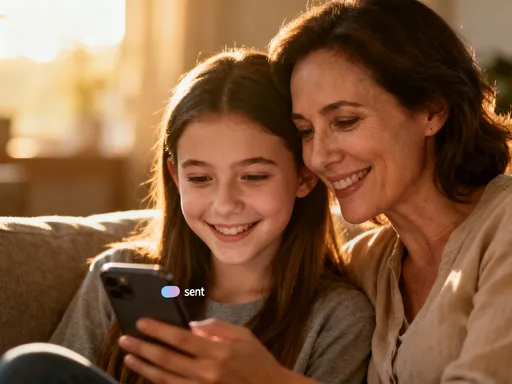
"So I don’t need your phone or anything?" she asked. "Just the code?" I nodded. She tried it—and it worked. Then she grinned and said, "It’s like texting a hug to your front door." That line stuck with me. Because that’s exactly what it felt like. She didn’t need to understand Bluetooth or encryption. She just needed to know she was welcome, and that the door would open for her when she showed up.
The real win came a week later, when I was stuck in traffic and she stopped by to drop off soup because I had a cold. I got a text: "Inside with the soup. Go straight to bed when you get home." No calls, no stress, no me rushing. Just care, delivered smoothly. That’s when I realized: this isn’t about being tech-savvy. It’s about being loved—and making it easy for love to walk right in.
Opening Doors, Literally and Socially
Here’s something I didn’t expect: once I started sharing access, I started saying yes more. Not just to errands or favors, but to connection. My best friend, Jen, lives two blocks away. Her dog loves the park behind my house—it’s quieter, with fewer crowds. One day, she asked, "Could I cut through your yard sometimes?" I said yes, and gave her a code just for the side gate. Now, she waves from the garden almost every morning. We’ve started doing quick coffee catch-ups on the porch. What began as a convenience became a ritual.
Then there’s my brother, who lives across town. When I was recovering from a minor surgery, he started leaving groceries on the kitchen counter. "No need to get up," he’d text. "Just rest." I’d get a notification that the door had been unlocked, and later, find a bag of fruit, some soup, and a sticky note with a terrible joke. It wasn’t just the food—it was the feeling of being looked after, without me having to ask.
And it’s not just family. My dog walker has a code too. She comes at different times depending on the weather or my schedule. Before, I had to be home or leave a key under the mat—risky and nerve-wracking. Now, she gets a daily code that expires at noon. I get a notification when she arrives and leaves. It’s peace of mind for both of us.
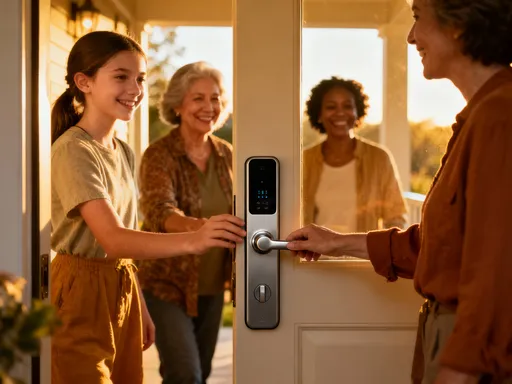
What I’ve learned is that a lock doesn’t have to be a barrier. It can be a bridge. Every code I share is a small act of trust. And each one strengthens a relationship—whether it’s with a sibling, a friend, or a neighbor. The door still keeps out the people I don’t know. But it lets in the ones who matter, in a way that feels safe, simple, and full of care.
Safety That Feels Warm, Not Cold
I’ll be honest—I was nervous about security at first. The word "smart lock" made me think of hackers in hoodies breaking into homes with a laptop. I asked around, read reviews, and even called the customer support line just to ask, "Can someone really break in through Wi-Fi?" The answer calmed me down: most smart locks use encrypted signals, temporary codes, and two-factor authentication. Some even detect forced entry and send alerts. My model sends me a notification every time the door is unlocked—so I know when my teenager gets home from school. That alone has eased so much of my worry.
But the real test came last year, after a friendship ended in a messy way. Someone who’d had access to my home was no longer welcome. In the past, I’d have had to change the entire lock—expensive, time-consuming, and emotionally draining. With the smart lock, I simply revoked her code. One tap, and it was done. No drama, no awkwardness, no risk. I didn’t have to worry about copies or hidden keys. It was over, cleanly and quietly.
That moment taught me something important: real security isn’t about locking everyone out. It’s about having control. It’s knowing you can adapt to life’s changes—breakups, moves, job shifts, family changes—without losing your sense of safety. The lock didn’t make me paranoid. It made me powerful. And that power isn’t cold or mechanical. It’s warm, because it’s tied to peace of mind, to protecting the people and routines I love.
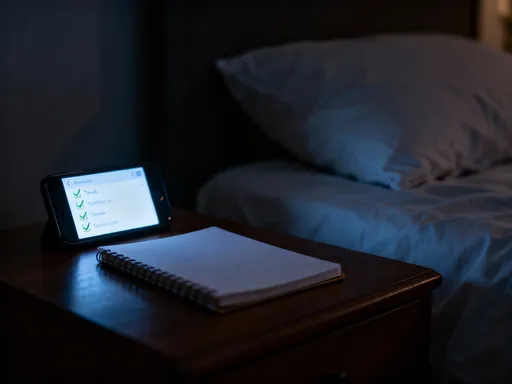
I also appreciate the little things—like getting an alert if the door is left unlocked. More than once, I’ve been halfway to the grocery store and gotten a ping: "Front door unlocked." A quick tap, and it’s secured. No turning back, no nagging worry. It’s like having a gentle reminder built into my home, one that looks out for me without judgment.
The Ripple Effect on Daily Rhythm
You’d think one small change—a lock—wouldn’t shift much. But small things add up. I used to spend so much time managing access: making spare keys, hiding them, worrying about them, replacing them. Now, I don’t. I used to rush home for cleaners, dog walkers, handymen. Now, I don’t. That time adds up—minutes here, stress there—and what I’ve gained is something harder to measure: mental space.
Mornings are calmer. I don’t start the day wondering if I grabbed the right key or if I need to swing by my mom’s to drop one off. Evenings are more flexible. If I’m at my daughter’s recital and my sister needs to grab her jacket from my closet, she can. No calls, no interruptions. I’m present where I am, not distracted by what I might be missing elsewhere.
And the best part? I’ve stopped feeling guilty about saying yes. Before, I’d hesitate—"I can’t, I won’t be home." Now, I say, "Come on in." That shift has changed how I show up in my relationships. I’m more generous with my time, not because I have more of it, but because I’m not tied to my doorstep.
There’s also the quiet joy of unexpected moments. Like when my niece, 12 years old and full of energy, started using the code to let herself in after school to do homework before dance class. She texts me: "At your house! Snacking on your apples!" It’s not just convenience—it’s connection. She feels welcome. She feels trusted. And that matters more than I ever expected.
Not Just a Lock—A Quiet Upgrade to Life
When I first bought the smart lock, I thought I was solving a practical problem. I wanted to stop losing keys. I didn’t realize I was opening the door—literally and emotionally—to a more connected, flexible, and peaceful way of living. This little device didn’t just upgrade my front door. It upgraded my sense of home.
Home isn’t just four walls and a roof. It’s where we feel safe, loved, and free to be ourselves. And now, mine feels more open—not because it’s less secure, but because it’s more thoughtful. I can protect what matters while still making room for the people who matter. That balance is everything.
I think about all the little moments it’s made possible: my dad leaving a jar of homemade jam on the counter, my best friend using my porch as a quiet place to read, my teenager walking in after school knowing I’ll know he’s safe. These aren’t grand gestures. They’re the quiet threads of daily life—the ones that, when woven together, create a sense of belonging.
So if you’re sitting there thinking, "That sounds nice, but is it really for me?" I get it. I was skeptical too. But I’ll ask you this: who do you wish could come and go more easily? Who do you trust, but worry about the logistics of access? What small act of care could flow more smoothly if the door wasn’t the bottleneck?
Because that’s what this is about. It’s not about apps or codes or tech for tech’s sake. It’s about making space for love, for help, for life as it really happens. It’s about using a simple tool to say, "You’re welcome here," without fear. And honestly? That’s the most powerful upgrade of all.